The Ultimate Guide to Assessing and Repairing Crash Damage on Your Jeep
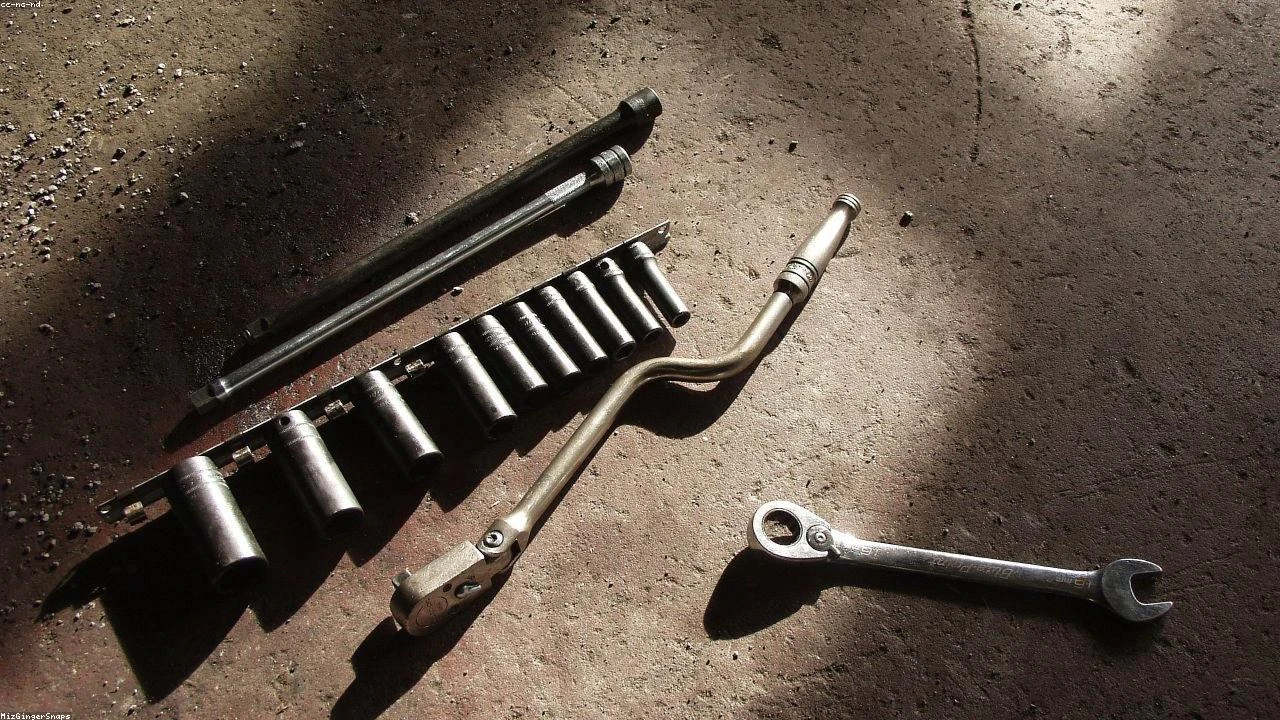
Table of Contents
- The Diagnostic / The Situation
- Technical Deep Dive
- Pre-Work Checklist
- Step-by-Step Guide
- Pro Tips & Common Mistakes
- Cost Analysis: DIY vs Mechanic
- Frequently Asked Questions
The Diagnostic / The Situation
When a vehicle is involved in a crash, it’s essential to assess the damage thoroughly to ensure the vehicle is safe to drive and to prevent further damage. Crash damage can range from minor scratches to major structural damage. As a Jeep owner, it’s crucial to know how to inspect your vehicle for crash damage and how to repair it. In this guide, we’ll focus on the technical aspects of assessing and repairing crash damage on your Jeep.
Symptoms or signs to look for include:
- Dents or scratches on the body panels
- Cracked or broken glass
- Damage to the suspension or steering components
- Leaks from the cooling system or other fluids
- Airbag deployment
🔧 Related Guides:
Technical Deep Dive
The Jeep’s body and frame are designed to absorb and distribute the forces of a crash. The unibody construction of most Jeep models provides a strong and rigid structure that helps to protect the occupants. However, crash damage can still occur, and it’s essential to understand how the various systems work together to ensure the vehicle is safe to drive.
Common failure points in a crash include:
- The front bumper and grille, which can be damaged or detached
- The hood and fenders, which can be dented or cracked
- The windshield and side windows, which can be cracked or broken
- The suspension and steering components, which can be damaged or misaligned
- The airbag system, which can be deployed or damaged
Pre-Work Checklist
At a Glance Table
| Task | Difficulty | Time | Cost | DIY vs Shop |
|---|---|---|---|---|
| Inspect damage | 2 | 1 hour | $0 | DIY |
| Replace front bumper | 4 | 4 hours | $500 | Shop |
| Replace windshield | 3 | 2 hours | $300 | Shop |
| Align suspension | 4 | 2 hours | $200 | Shop |
Tools Required
- Socket set
- Wrench set
- Pliers and punch
- Drill and bits
- Safety glasses and gloves
Safety Warnings
- Always wear safety glasses and gloves when working with power tools or handling sharp objects
- Ensure the vehicle is on a level surface and apply the parking brake before starting work
- Never work under a vehicle that is supported only by a jack
Step-by-Step Guide
Inspect the Damage
The first step in assessing and repairing crash damage is to inspect the vehicle thoroughly. Walk around the vehicle and look for any signs of damage, including dents, scratches, or broken glass.
Check the Body Panels
Check the body panels for any signs of damage, including dents, scratches, or cracks. Look for any areas where the metal may be creased or folded.
Check the Suspension and Steering
Check the suspension and steering components for any signs of damage, including misalignment or broken parts.
Check the Glass
Check the windshield and side windows for any signs of damage, including cracks or breaks.
Replace the Front Bumper
If the front bumper is damaged, it may need to be replaced. This can be a complex task that requires specialized tools and expertise.
Remove the Old Bumper
Use a socket set to remove the bolts that hold the bumper in place. Carefully pull the bumper away from the vehicle and set it aside.
Install the New Bumper
Use a socket set to install the new bumper. Make sure it is properly aligned and secured with the correct bolts.
Replace the Windshield
If the windshield is damaged, it may need to be replaced. This can be a complex task that requires specialized tools and expertise.
Remove the Old Windshield
Use a wrench set to remove the trim and moldings that hold the windshield in place. Carefully pull the windshield away from the vehicle and set it aside.
Install the New Windshield
Use a wrench set to install the new windshield. Make sure it is properly aligned and secured with the correct trim and moldings.
Align the Suspension
If the suspension is damaged, it may need to be aligned. This can be a complex task that requires specialized tools and expertise.
Check the Alignment
Use a suspension alignment tool to check the alignment of the suspension. Look for any signs of misalignment or damage.
Make Adjustments
Use a wrench set to make any necessary adjustments to the suspension. Make sure it is properly aligned and secured with the correct bolts.
Pro Tips & Common Mistakes
- Always wear safety glasses and gloves when working with power tools or handling sharp objects
- Ensure the vehicle is on a level surface and apply the parking brake before starting work
- Never work under a vehicle that is supported only by a jack
- Use a torque wrench to ensure the correct torque specs are applied
- Don’t overtighten or under-tighten bolts, as this can cause damage to the vehicle
Cost Analysis: DIY vs Mechanic
The cost of assessing and repairing crash damage on your Jeep can vary widely, depending on the extent of the damage and the complexity of the repairs. If you choose to do the work yourself, you can save money on labor costs, but you may need to purchase specialized tools and equipment.
- DIY: $500 - $2,000
- Mechanic: $1,000 - $5,000
Frequently Asked Questions
- Q: How do I know if my Jeep is safe to drive after a crash? A: Always have your vehicle inspected by a qualified mechanic after a crash, even if it seems minor. They can check for any signs of damage and ensure the vehicle is safe to drive.
- Q: Can I repair crash damage myself? A: It depends on the extent of the damage and your level of expertise. If the damage is minor, you may be able to repair it yourself, but if it’s more extensive, it’s best to seek the help of a qualified mechanic.
- Q: How much does it cost to repair crash damage? A: The cost of repairing crash damage can vary widely, depending on the extent of the damage and the complexity of the repairs. It’s best to get a quote from a qualified mechanic to get an accurate estimate.
- Q: Can I use aftermarket parts to repair my Jeep? A: It’s generally recommended to use OEM parts to repair your Jeep, as they are designed to meet the manufacturer’s specifications and ensure the vehicle is safe to drive. Aftermarket parts may not meet the same standards and can potentially cause problems down the road.
- Q: How long does it take to repair crash damage? A: The time it takes to repair crash damage can vary widely, depending on the extent of the damage and the complexity of the repairs. It’s best to get a quote from a qualified mechanic to get an accurate estimate of the time required to complete the repairs.
Reference: Technical analysis by Sarah Jenkins (Overland Build Expert) based on reports from Jalopnik.