The Ultimate Guide to Catalytic Converters: Function, Failure, and Replacement
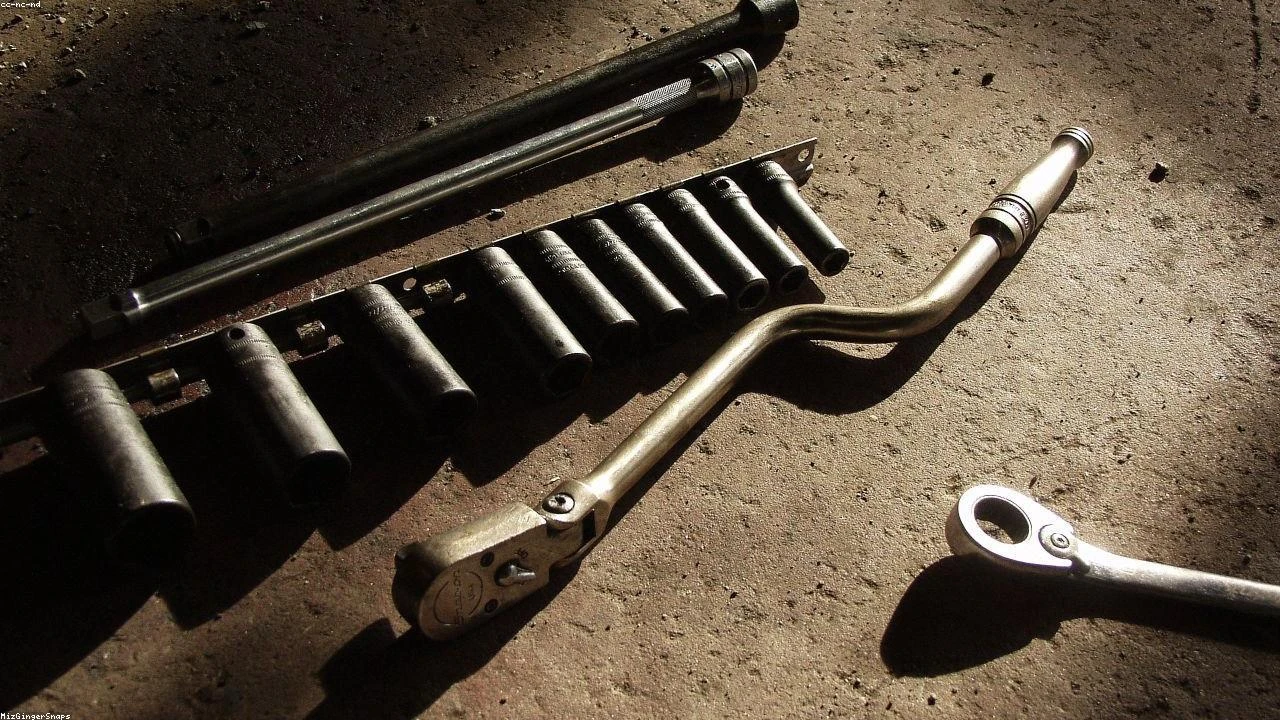
Table of Contents
- The Diagnostic / The Situation
- Technical Deep Dive
- Pre-Work Checklist
- Step-by-Step Guide
- Pro Tips & Common Mistakes
- Cost Analysis: DIY vs Mechanic
- Frequently Asked Questions
The Diagnostic / The Situation
Catalytic converters are a crucial component of a vehicle’s exhaust system, responsible for reducing harmful emissions and pollutants. They work by converting carbon monoxide, hydrocarbons, and nitrogen oxides into less harmful gases such as carbon dioxide, water vapor, and nitrogen. The catalytic converter is typically located between the engine and the muffler, and its failure can lead to decreased engine performance, reduced fuel efficiency, and increased emissions.
🔧 Related Guides:
Symptoms of a faulty catalytic converter include:
- Decreased engine power and performance
- Reduced fuel efficiency
- Increased emissions and unpleasant odors
- Illuminated check engine light
- Rattling or loud noises from the exhaust system
Technical Deep Dive
The catalytic converter works by using a combination of platinum, palladium, and rhodium to catalyze a chemical reaction that converts pollutants into less harmful gases. The converter consists of a ceramic or metallic substrate, a washcoat, and a catalyst. The substrate provides a large surface area for the catalyst to react with the pollutants, while the washcoat helps to distribute the catalyst evenly.
Common failure points of the catalytic converter include:
- The ceramic or metallic substrate, which can crack or break down over time
- The washcoat, which can deteriorate and lose its effectiveness
- The catalyst, which can become poisoned or worn out due to contamination or excessive heat
Pre-Work Checklist
At a Glance Table
| Difficulty | Time | Cost | DIY vs Shop |
|---|---|---|---|
| 4/5 | 2-4 hours | $500-$2000 | DIY (with experience) |
Tools Required
- Socket set
- Wrench set
- Pliers and punch
- Exhaust system jack stands
- New catalytic converter
- Gaskets and seals
Safety Warnings
- Always wear protective gloves and safety glasses when working with exhaust systems
- Ensure the vehicle is securely supported by jack stands and the engine is cold
- Avoid breathing in exhaust fumes and work in a well-ventilated area
Step-by-Step Guide
Removing the Old Catalytic Converter
Disconnecting the Exhaust System
- Locate the catalytic converter and identify the exhaust system components
- Use a socket set to loosen the bolts holding the exhaust system in place
- Carefully lift the exhaust system off the catalytic converter
Removing the Catalytic Converter
- Use a wrench set to loosen the bolts holding the catalytic converter in place
- Carefully lift the catalytic converter out of the exhaust system
Installing the New Catalytic Converter
Preparing the New Catalytic Converter
- Inspect the new catalytic converter for any damage or defects
- Apply a thin layer of exhaust system sealant to the gaskets and seals
Installing the Catalytic Converter
- Carefully lower the new catalytic converter into the exhaust system
- Use a wrench set to tighten the bolts holding the catalytic converter in place
- Ensure the catalytic converter is properly seated and aligned
Reconnecting the Exhaust System
- Carefully lower the exhaust system back onto the catalytic converter
- Use a socket set to tighten the bolts holding the exhaust system in place
- Ensure the exhaust system is properly secured and aligned
Pro Tips & Common Mistakes
- Always use a new gasket and seal when installing a new catalytic converter
- Avoid over-tightening the bolts, as this can damage the catalytic converter or exhaust system
- Ensure the catalytic converter is properly aligned and seated to avoid any leaks or damage
Cost Analysis: DIY vs Mechanic
The cost of replacing a catalytic converter can range from $500 to $2000, depending on the type and quality of the converter. DIY replacement can save labor costs, but requires experience and specialized tools. Mechanic replacement can provide a warranty and guarantee, but may be more expensive.
Frequently Asked Questions
- Q: Can I drive without a catalytic converter? A: Yes, but it is not recommended, as it can lead to decreased engine performance, reduced fuel efficiency, and increased emissions.
- Q: How long does a catalytic converter last? A: The lifespan of a catalytic converter can range from 50,000 to 100,000 miles, depending on the type and quality of the converter.
- Q: Can I repair a faulty catalytic converter? A: In some cases, yes, but it is often more cost-effective to replace the converter entirely.
- Q: How much does a catalytic converter cost? A: The cost of a catalytic converter can range from $500 to $2000, depending on the type and quality of the converter.
- Q: Can I install a catalytic converter myself? A: Yes, but it requires experience and specialized tools, and may void the warranty if not done correctly.
Reference: Technical analysis by Marcus Reynolds (Suspension Engineer) based on reports from Jalopnik.