The Ultimate Guide to Chevy LT1 V8 Engines: Maintenance Masterclass
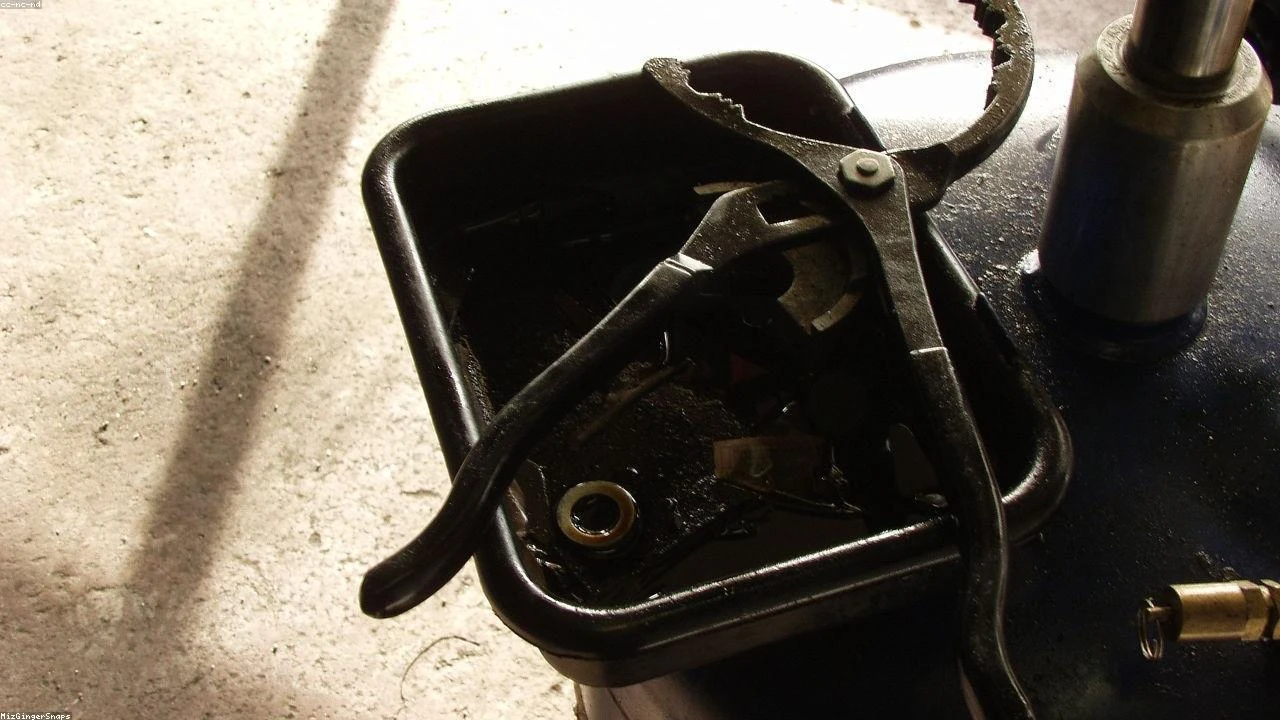
Table of Contents
- The Diagnostic / The Situation
- Technical Deep Dive
- Pre-Work Checklist
- Step-by-Step Guide
- Pro Tips & Common Mistakes
- Cost Analysis: DIY vs Mechanic
- Frequently Asked Questions
The Diagnostic / The Situation
The Chevy LT1 V8 engine has been a staple of American muscle cars for decades. With its impressive power output and durability, it’s no wonder why many car enthusiasts swear by this engine. However, like any complex system, the LT1 V8 requires regular maintenance to ensure it continues to run smoothly. In this guide, we’ll delve into the technical background of the LT1 V8, common symptoms of neglect, and provide a comprehensive maintenance plan.
🔧 Related Guides:
The LT1 V8 engine has undergone several revisions since its introduction in the 1990s. The most notable differences between the various LT1 engines are the cylinder head design, camshaft profile, and fuel injection system. Understanding these differences is crucial for proper maintenance and modification.
Symptoms of a neglected LT1 V8 engine can include decreased power output, rough idling, and increased oil consumption. If left unchecked, these issues can lead to more severe problems, such as engine failure or damage to other components.
Technical Deep Dive
The LT1 V8 engine is a 5.7-liter, 16-valve, overhead valve (OHV) design. It features a cast iron block, aluminum cylinder heads, and a hydraulic roller camshaft. The engine’s fuel injection system utilizes a sequential fuel injection (SFI) design, which provides improved fuel efficiency and performance.
Common failure points in the LT1 V8 engine include the plastic impeller in the water pump, the fuel pump, and the ignition coil. The plastic impeller in the water pump can fail due to overheating or debris in the cooling system, causing the engine to overheat. The fuel pump can fail due to clogged fuel filters or faulty fuel pressure regulators, resulting in decreased power output. The ignition coil can fail due to worn spark plugs or faulty spark plug wires, causing misfires and decreased performance.
Pre-Work Checklist
At a Glance Table
| Task | Difficulty | Time | Cost | DIY vs Shop |
|---|---|---|---|---|
| Oil change | 2 | 1 hour | $50 | DIY |
| Spark plug replacement | 3 | 2 hours | $100 | DIY |
| Water pump replacement | 4 | 3 hours | $200 | Shop |
| Fuel pump replacement | 4 | 3 hours | $250 | Shop |
Tools Required
- 10mm socket
- 12mm socket
- Torque wrench
- Spark plug socket
- Fuel pressure test kit
- Oil filter wrench
Safety Warnings
When working with the LT1 V8 engine, it’s essential to take necessary safety precautions to avoid injury. Always wear protective gloves and eyewear when working with tools or handling hot components. Ensure the engine is cool before starting work, and never attempt to work on a running engine.
Step-by-Step Guide
Step 1: Oil Change
Step 1.1: Locate the Oil Drain Plug
The oil drain plug is located at the bottom of the engine, near the front of the car. Use a 10mm socket to remove the plug and allow the oil to drain into a pan.
Step 1.2: Replace the Oil Filter
Use an oil filter wrench to remove the old oil filter and discard it. Install a new oil filter and hand tighten it.
Step 1.3: Refill the Oil
Refill the engine with the recommended type and amount of oil. Use a torque wrench to tighten the oil drain plug to the specified torque (30 ft-lbs).
Step 2: Spark Plug Replacement
Step 2.1: Locate the Spark Plugs
The spark plugs are located on the side of the engine, near the cylinder head. Use a spark plug socket to remove the spark plugs.
Step 2.2: Inspect the Spark Plugs
Inspect the spark plugs for wear or damage. If the spark plugs are worn or damaged, replace them with new ones.
Step 2.3: Install the New Spark Plugs
Install the new spark plugs and tighten them to the specified torque (10 ft-lbs).
Step 3: Water Pump Replacement
Step 3.1: Locate the Water Pump
The water pump is located at the front of the engine, near the radiator. Use a 12mm socket to remove the water pump bolts.
Step 3.2: Disconnect the Water Pump Hoses
Disconnect the water pump hoses from the water pump and radiator.
Step 3.3: Install the New Water Pump
Install the new water pump and reconnect the water pump hoses. Tighten the water pump bolts to the specified torque (20 ft-lbs).
Pro Tips & Common Mistakes
- Always use the recommended type and amount of oil for the LT1 V8 engine.
- Never over-tighten the spark plugs, as this can damage the threads in the cylinder head.
- Always disconnect the battery before starting work on the engine to avoid any accidental starts.
- Don’t neglect to replace the fuel filter regularly, as a clogged fuel filter can cause decreased power output and engine damage.
Cost Analysis: DIY vs Mechanic
The cost of maintaining the LT1 V8 engine can vary depending on the task and the individual’s level of expertise. However, with the right tools and knowledge, many maintenance tasks can be done at home, saving money on labor costs.
- Oil change: $50 (DIY) vs $100 (mechanic)
- Spark plug replacement: $100 (DIY) vs $200 (mechanic)
- Water pump replacement: $200 (DIY) vs $400 (mechanic)
Frequently Asked Questions
- What type of oil should I use in my LT1 V8 engine? The recommended type of oil for the LT1 V8 engine is 5W-30 synthetic oil.
- How often should I change the oil in my LT1 V8 engine? The recommended oil change interval for the LT1 V8 engine is every 5,000 miles.
- What are the symptoms of a failing water pump in the LT1 V8 engine? The symptoms of a failing water pump in the LT1 V8 engine include overheating, leaks, and decreased power output.
- Can I replace the spark plugs in my LT1 V8 engine myself? Yes, replacing the spark plugs in the LT1 V8 engine is a relatively simple task that can be done at home with the right tools and knowledge.
- How much does it cost to replace the fuel pump in the LT1 V8 engine? The cost of replacing the fuel pump in the LT1 V8 engine can vary depending on the individual’s level of expertise and the cost of parts. However, on average, the cost of replacing the fuel pump can range from $200 to $400.
Reference: Technical analysis by Marcus Reynolds (Suspension Engineer) based on reports from Jalopnik.