The Ultimate Guide to Diagnosing and Repairing Liftgate Issues in SUVs
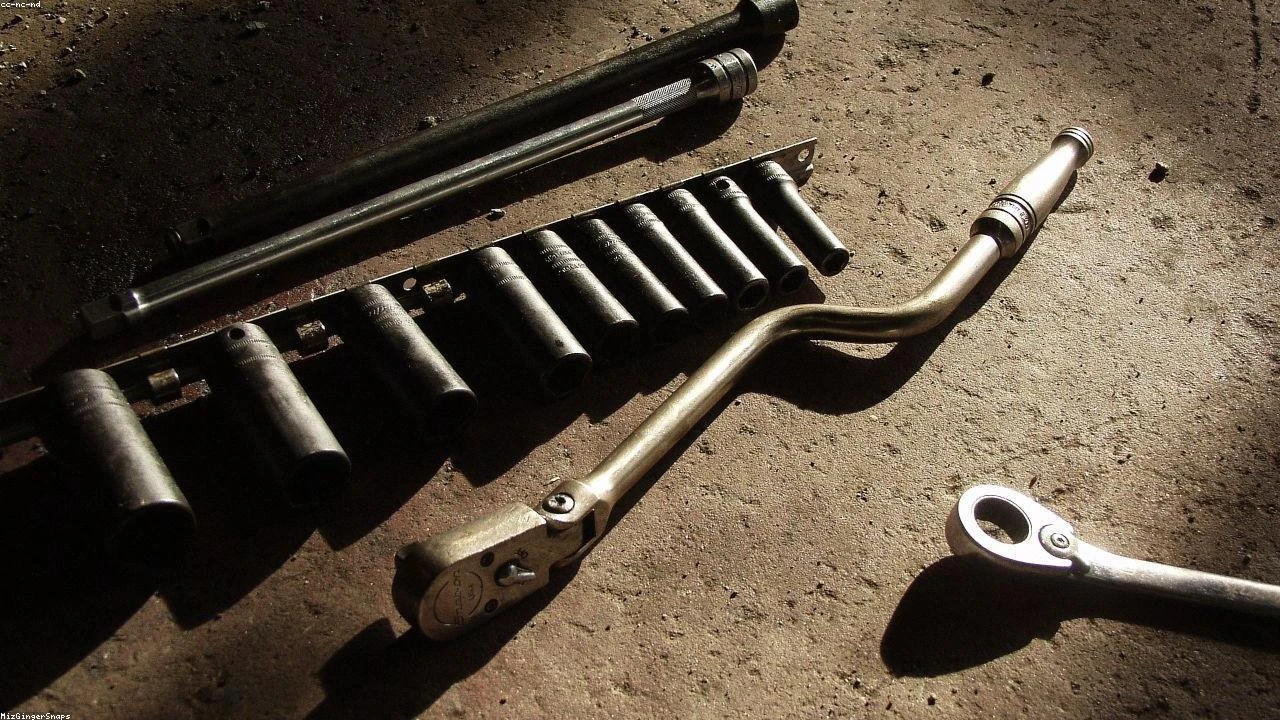
Table of Contents
- Technical Deep Dive
- Pre-Work Checklist
- Step-by-Step Guide
- Pro Tips & Common Mistakes
- Cost Analysis: DIY vs Mechanic
- Frequently Asked Questions
The Diagnostic / The Situation
The liftgate is a crucial component of any SUV, providing easy access to the cargo area. However, liftgate issues can be frustrating and inconvenient, especially if they occur frequently. In this guide, we will delve into the technical background of liftgate issues, common symptoms, and signs to look out for.
🔧 Related Guides:
Liftgate problems can be caused by a variety of factors, including worn-out hinges, faulty struts, and electrical issues. If left unaddressed, these problems can lead to more severe consequences, such as damage to the liftgate, surrounding body panels, and even injury to passengers.
Common symptoms of liftgate issues include:
- Difficulty opening or closing the liftgate
- Squeaking or grinding noises when operating the liftgate
- Liftgate not staying open or closed
- Water leakage into the cargo area
Technical Deep Dive
The liftgate system consists of several components, including the liftgate itself, hinges, struts, and electrical actuators. The hinges provide the pivot point for the liftgate, while the struts provide the necessary lift and support. The electrical actuators control the liftgate’s movement, ensuring smooth and efficient operation.
Common failure points in the liftgate system include:
- Worn-out hinges: Over time, the hinges can wear out, causing the liftgate to sag or become misaligned.
- Faulty struts: Struts can leak or become damaged, leading to reduced lift and support.
- Electrical issues: Faulty electrical actuators or wiring can cause the liftgate to malfunction or become stuck.
Pre-Work Checklist
At a Glance Table
| Difficulty | Time | Cost | DIY vs Shop |
|---|---|---|---|
| 3/5 | 2-3 hours | $500-$1000 | DIY (with experience) |
Tools Required
- 10mm socket
- Torque wrench
- Pliers
- Screwdriver
- Multimeter (for electrical diagnosis)
Safety Warnings
- Always support the liftgate with a prop or stand to prevent injury or damage.
- Disconnect the battery before starting any electrical repairs.
- Wear protective gloves and safety glasses when working with power tools.
Step-by-Step Guide
Step 1: Diagnose the Issue
Identify the symptoms
Take note of the specific symptoms and issues you are experiencing with your liftgate. Check for any error messages or warning lights on the dashboard.
Inspect the liftgate and surrounding area
Visually inspect the liftgate, hinges, and struts for any signs of damage or wear. Check for any water leakage or rust.
Consult the owner’s manual
Refer to the owner’s manual for any specific instructions or guidelines for liftgate maintenance and repair.
Step 2: Remove the Liftgate Trim
Remove the screws
Use a screwdriver to remove the screws holding the liftgate trim in place.
Gently pry the trim away
Use a flathead screwdriver or pry bar to gently pry the trim away from the liftgate.
Disconnect the electrical connectors
Use a multimeter to identify and disconnect the electrical connectors attached to the liftgate.
Step 3: Inspect and Replace the Hinges
Remove the hinge pins
Use a 10mm socket to remove the hinge pins holding the liftgate in place.
Inspect the hinges
Visually inspect the hinges for any signs of wear or damage. Check for any rust or corrosion.
Replace the hinges (if necessary)
If the hinges are damaged or worn out, replace them with new ones. Apply a thin layer of lubricant to the new hinges.
Step 4: Inspect and Replace the Struts
Remove the strut mounting bolts
Use a 10mm socket to remove the strut mounting bolts.
Inspect the struts
Visually inspect the struts for any signs of damage or leakage. Check for any rust or corrosion.
Replace the struts (if necessary)
If the struts are damaged or leaking, replace them with new ones. Apply a thin layer of lubricant to the new struts.
Step 5: Reassemble the Liftgate
Reconnect the electrical connectors
Use a multimeter to reconnect the electrical connectors attached to the liftgate.
Reattach the liftgate trim
Use a screwdriver to reattach the liftgate trim. Ensure all screws are securely tightened.
Test the liftgate
Test the liftgate to ensure it is operating smoothly and efficiently.
Pro Tips & Common Mistakes
- Always support the liftgate with a prop or stand to prevent injury or damage.
- Use a torque wrench to ensure all bolts and screws are securely tightened.
- Avoid over-tightening the hinge pins, as this can cause damage to the liftgate or surrounding body panels.
Cost Analysis: DIY vs Mechanic
The cost of repairing liftgate issues can vary depending on the extent of the damage and the complexity of the repair. On average, the cost of replacing the hinges and struts can range from $500 to $1000. If you choose to hire a mechanic, labor costs can add an additional $200 to $500 to the total cost.
Frequently Asked Questions
- Q: How often should I lubricate my liftgate hinges? A: It is recommended to lubricate your liftgate hinges every 6 months to prevent wear and corrosion.
- Q: Can I replace my liftgate struts myself? A: Yes, replacing liftgate struts is a relatively straightforward process that can be done at home with the right tools and experience.
- Q: What are the common causes of liftgate issues? A: Common causes of liftgate issues include worn-out hinges, faulty struts, and electrical problems.
- Q: How do I diagnose liftgate issues? A: To diagnose liftgate issues, start by identifying the symptoms and inspecting the liftgate and surrounding area. Consult the owner’s manual for specific instructions and guidelines.
- Q: Can I repair my liftgate if it is damaged? A: Yes, depending on the extent of the damage, it may be possible to repair your liftgate. However, if the damage is severe, it may be necessary to replace the liftgate entirely.
Reference: Technical analysis by Ben Foster (Trail Recovery Instructor) based on reports from Motor1 News.