The Ultimate Guide to Electric Conversions for Off-Road Vehicles
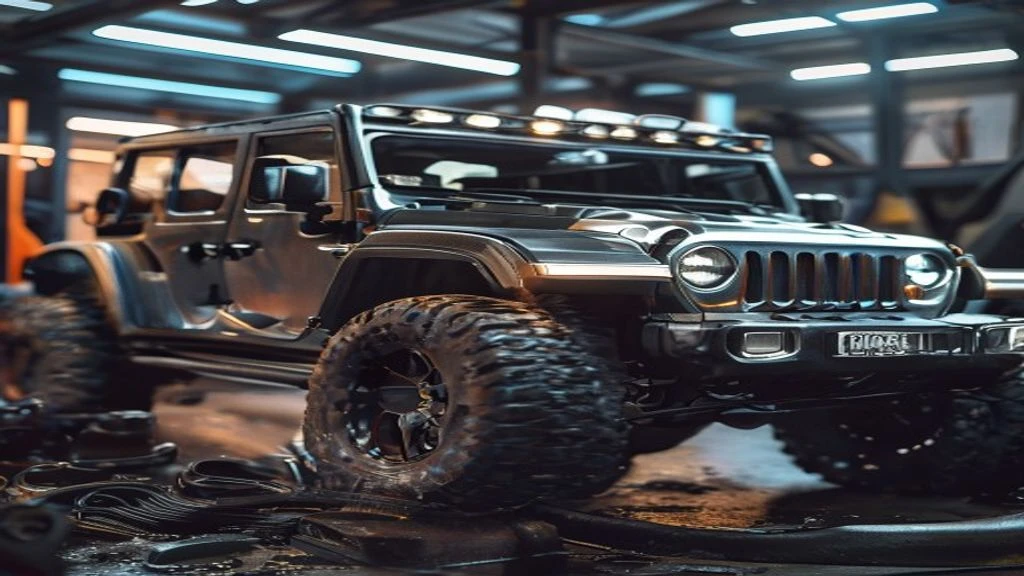
Table of Contents
- The Diagnostic / The Situation
- Technical Deep Dive
- Pre-Work Checklist
- Step-by-Step Guide
- Pro Tips & Common Mistakes
- Cost Analysis: DIY vs Mechanic
- Frequently Asked Questions
The Diagnostic / The Situation
As the world shifts towards more environmentally friendly solutions, the news of Disneyland’s Autopia ride being forced to clean up its emissions is a stark reminder of the importance of reducing our carbon footprint. For off-road enthusiasts, this means exploring alternative power sources for our vehicles. One such solution is electric conversion. In this guide, we’ll delve into the world of electric conversions for Jeep vehicles, providing a comprehensive overview of the process, its benefits, and the technical considerations involved.
🔧 Related Guides:
The symptoms of a gas-powered vehicle in need of an electric conversion are often subtle, but they can include decreased performance, increased emissions, and higher operating costs. As off-road enthusiasts, we’re always looking for ways to improve our vehicles’ performance and reduce our impact on the environment. Electric conversions offer a unique solution to these problems, providing a cleaner, more efficient, and more powerful alternative to traditional gas-powered engines.
Technical Deep Dive
Electric conversions involve replacing a vehicle’s internal combustion engine with an electric motor, powered by a battery pack. The system consists of several key components, including the electric motor, battery pack, controller, and charging system. The electric motor is responsible for propelling the vehicle, while the battery pack provides the necessary power. The controller regulates the flow of energy between the battery pack and the electric motor, ensuring efficient and safe operation.
Common failure points in electric conversion systems include the battery pack, electric motor, and controller. The battery pack is susceptible to degradation over time, reducing its overall capacity and efficiency. The electric motor can experience mechanical failure, while the controller can malfunction due to software or hardware issues. Regular maintenance and monitoring are crucial to preventing these failures and ensuring the overall health of the system.
Pre-Work Checklist
At a Glance Table
| Difficulty | Time | Cost | DIY vs Shop |
|---|---|---|---|
| 4/5 | 100-200 hours | $10,000-$20,000 | DIY (with experience) |
Tools Required
- 10mm Socket
- Torque Wrench
- Wire strippers
- Multimeter
- Battery tester
- Electric motor test equipment
Safety Warnings
When working with electric systems, it’s essential to take necessary safety precautions to avoid injury or damage. Always wear protective gear, including gloves and safety glasses, and ensure the vehicle is properly grounded before starting work. Never touch electrical components with bare hands, and avoid short circuits at all costs.
Step-by-Step Guide
Step 1: Planning and Preparation
Step 1.1: Determine the Vehicle’s Specifications
Before starting the conversion process, it’s essential to determine the vehicle’s specifications, including its weight, horsepower, and torque requirements. This information will help you select the appropriate electric motor and battery pack for your vehicle.
Step 1.2: Choose the Electric Motor and Battery Pack
Select an electric motor that meets your vehicle’s horsepower and torque requirements. Consider factors such as efficiency, reliability, and durability when making your selection. The battery pack should be chosen based on its capacity, voltage, and weight. Ensure the battery pack is compatible with your electric motor and controller.
Step 1.3: Design the Electrical System
Design the electrical system, including the wiring, fuses, and circuit breakers. Ensure the system is properly grounded and protected against short circuits.
Step 2: Removing the Internal Combustion Engine
Step 2.1: Disconnect the Battery
Disconnect the battery to prevent any accidental starts or electrical shocks.
Step 2.2: Remove the Engine Mounts
Remove the engine mounts to access the internal combustion engine.
Step 2.3: Disconnect the Cooling System
Disconnect the cooling system, including the radiator, hoses, and water pump.
Step 2.4: Remove the Internal Combustion Engine
Remove the internal combustion engine, taking care to avoid any damage to surrounding components.
Step 3: Installing the Electric Motor and Battery Pack
Step 3.1: Install the Electric Motor
Install the electric motor, ensuring it’s properly aligned and secured.
Step 3.2: Install the Battery Pack
Install the battery pack, ensuring it’s properly secured and connected to the electrical system.
Step 3.3: Connect the Controller
Connect the controller to the electric motor and battery pack, ensuring proper communication between the components.
Step 3.4: Test the System
Test the system, ensuring proper function and performance.
Pro Tips & Common Mistakes
- Don’t underestimate the complexity of the conversion process. It’s essential to have experience with electrical systems and mechanical engineering.
- Ensure proper grounding and protection against short circuits to avoid electrical shocks or damage.
- Monitor the system’s performance and adjust as necessary to ensure optimal efficiency and reliability.
Cost Analysis: DIY vs Mechanic
The cost of an electric conversion can vary widely, depending on the components and labor involved. A DIY conversion can cost between $10,000-$20,000, while a professional conversion can cost upwards of $30,000-$50,000. However, the long-term benefits of an electric conversion, including reduced operating costs and increased efficiency, can make it a worthwhile investment.
Frequently Asked Questions
- Q: What are the benefits of an electric conversion? A: The benefits of an electric conversion include reduced emissions, increased efficiency, and lower operating costs.
- Q: How long does an electric conversion take? A: The time required for an electric conversion can vary, but it typically takes between 100-200 hours, depending on the complexity of the project.
- Q: Can I do an electric conversion myself? A: Yes, but it’s essential to have experience with electrical systems and mechanical engineering. It’s recommended to seek professional help if you’re unsure.
- Q: What are the common failure points in an electric conversion system? A: Common failure points include the battery pack, electric motor, and controller. Regular maintenance and monitoring are crucial to preventing these failures.
- Q: How much does an electric conversion cost? A: The cost of an electric conversion can vary widely, depending on the components and labor involved. A DIY conversion can cost between $10,000-$20,000, while a professional conversion can cost upwards of $30,000-$50,000.
Reference: Technical analysis by Ben Foster (Trail Recovery Instructor) based on reports from Jalopnik.