The Ultimate Guide to Engine Coolant Maintenance for Your Jeep
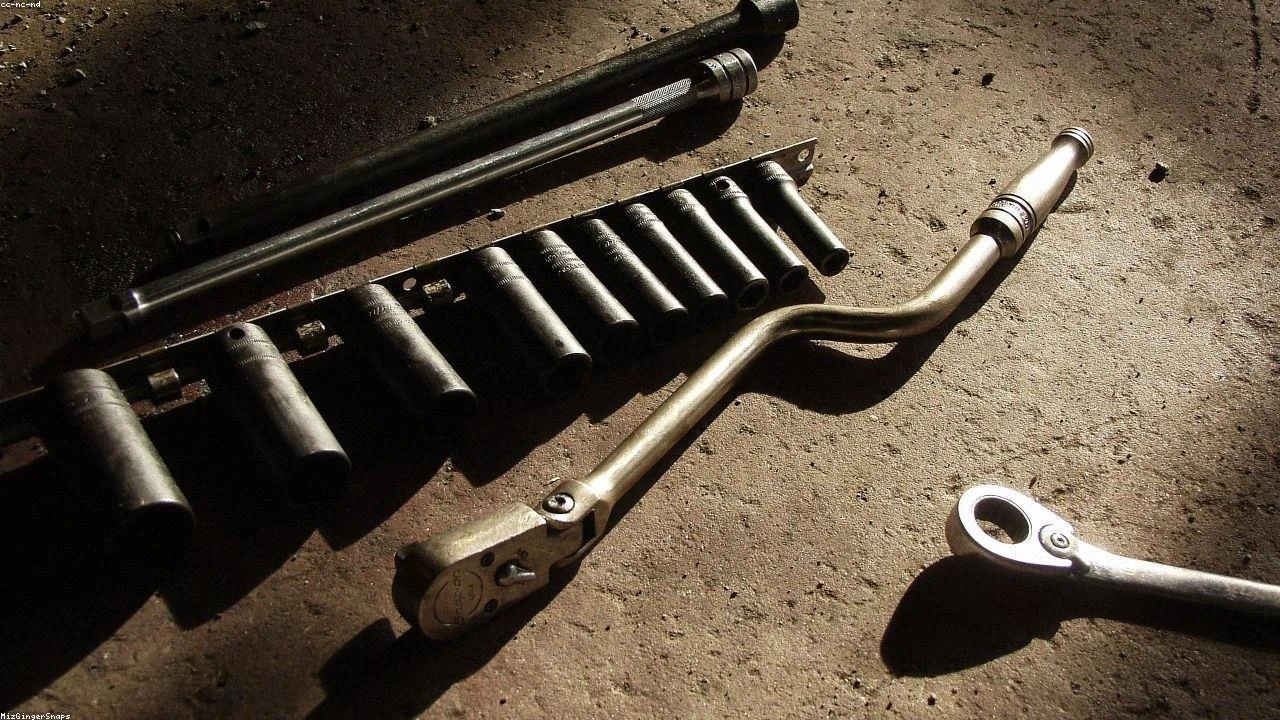
Table of Contents
- The Diagnostic / The Situation
- Technical Deep Dive
- Pre-Work Checklist
- Step-by-Step Guide
- Pro Tips & Common Mistakes
- Cost Analysis: DIY vs Mechanic
- Frequently Asked Questions
The Diagnostic / The Situation
Engine coolant is a critical component of your Jeep’s engine, playing a vital role in regulating temperature and preventing damage. However, with the rise of unconventional and often ill-advised experiments, such as replacing engine coolant with Pepsi, it’s essential to understand the importance of proper coolant maintenance. Using the wrong type of coolant or neglecting regular maintenance can lead to severe engine damage, decreased performance, and even complete engine failure. In this guide, we’ll delve into the world of engine coolant, exploring the technical background, symptoms of poor maintenance, and a step-by-step guide on how to properly maintain your Jeep’s engine coolant system.
Technical Deep Dive
The engine coolant system in your Jeep is designed to circulate a mixture of water and coolant through the engine block, cylinder head, and radiator. The coolant absorbs heat from the engine and transfers it to the radiator, where it’s dissipated. The system consists of several key components, including the water pump, thermostat, radiator, and hoses. Common failure points in the engine coolant system include the water pump, thermostat, and radiator hoses. The plastic impeller in the water pump can fail, causing the pump to malfunction, while the thermostat can become stuck, preventing the engine from reaching optimal operating temperature. Radiator hoses can also deteriorate over time, leading to leaks and engine overheating.
🔧 Related Guides:
Pre-Work Checklist
At a Glance Table
| Difficulty | Time | Cost | DIY vs Shop |
|---|---|---|---|
| 3/5 | 2-3 hours | $100-$300 | DIY |
Tools Required
- 10mm Socket
- Torque Wrench
- Funnel
- Coolant drain pan
- New coolant mixture (50/50 water and coolant)
Safety Warnings
When working with the engine coolant system, it’s essential to take necessary safety precautions to avoid injury. Always wear protective gloves and eyewear, and ensure the engine is cool before starting work. Never open the radiator cap when the engine is hot, as this can cause the coolant to spill out and potentially scald you.
Step-by-Step Guide
Checking the Coolant Level
Step 1: Locate the Coolant Reservoir
The coolant reservoir is usually located on the driver’s side of the engine compartment. Check your Jeep’s manual for the exact location.
Step 2: Check the Coolant Level
Remove the cap from the coolant reservoir and check the level. The level should be between the minimum and maximum marks on the side of the reservoir.
Changing the Coolant
Step 1: Drain the Coolant
Locate the coolant drain valve at the bottom of the radiator. Use a wrench to loosen the valve, then allow the coolant to drain into a pan.
Step 2: Flush the System
Once the coolant has drained, use a garden hose to flush the system. This will help remove any debris or sediment.
Step 3: Fill the System
Use a funnel to pour in the new coolant mixture. Make sure to use a 50/50 mix of water and coolant.
Step 4: Bleed the System
Start the engine and let it run for a few minutes. Then, turn off the engine and check the coolant level. If the level has dropped, add more coolant mixture as needed.
Inspecting the Hoses and Belts
Step 1: Locate the Hoses and Belts
The hoses and belts are usually located on the front of the engine. Check your Jeep’s manual for the exact location.
Step 2: Inspect the Hoses
Check the hoses for any signs of damage, such as cracks or frays. If you find any damage, replace the hose immediately.
Step 3: Inspect the Belts
Check the belts for any signs of wear, such as cracks or frays. If you find any wear, replace the belt immediately.
Pro Tips & Common Mistakes
- Always use a 50/50 mix of water and coolant to prevent corrosion and damage to the engine.
- Never use unconventional substances, such as Pepsi, as a replacement for engine coolant.
- Always check the coolant level regularly to prevent engine overheating.
- Use a torque wrench to tighten the radiator cap and other components to prevent damage.
Cost Analysis: DIY vs Mechanic
The cost of maintaining your Jeep’s engine coolant system can vary depending on the components and labor involved. If you choose to DIY, the cost will be around $100-$300, depending on the parts and materials needed. If you take your Jeep to a mechanic, the cost can range from $200-$500, depending on the labor rate and parts used.
Frequently Asked Questions
- What type of coolant should I use in my Jeep? Use a 50/50 mix of water and coolant to prevent corrosion and damage to the engine.
- How often should I check the coolant level? Check the coolant level regularly, ideally every time you fill up with gas.
- What are the symptoms of poor coolant maintenance? Symptoms of poor coolant maintenance include engine overheating, decreased performance, and potentially complete engine failure.
- Can I use unconventional substances, such as Pepsi, as a replacement for engine coolant? No, never use unconventional substances, such as Pepsi, as a replacement for engine coolant. This can cause severe damage to the engine and cooling system.
- How often should I change the coolant? Change the coolant every 30,000 to 50,000 miles, or as recommended by your Jeep’s manufacturer.
Reference: Technical analysis by Marcus Reynolds (Suspension Engineer) based on reports from Jalopnik.