The Ultimate Guide to Fuel System Maintenance for Jeep Owners
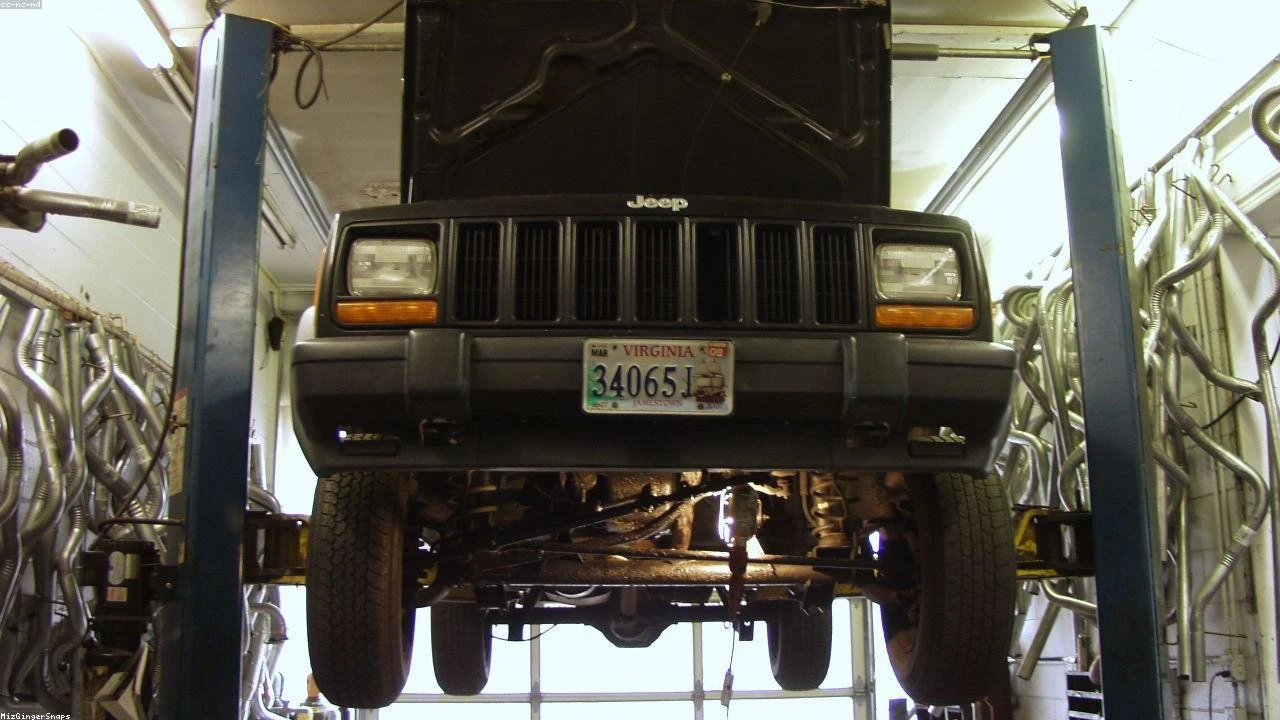
Table of Contents
- The Diagnostic / The Situation
- Technical Deep Dive
- Pre-Work Checklist
- Step-by-Step Guide
- Pro Tips & Common Mistakes
- Cost Analysis: DIY vs Mechanic
- Frequently Asked Questions
The Diagnostic / The Situation
As a Jeep owner, you’re likely no stranger to the great outdoors and the various challenges that come with driving in harsh weather conditions. One common issue that can arise, particularly in cold climates, is the lack of hold-open clips on gas pumps. This can make fueling up a frustrating experience, especially when temperatures drop below freezing. But what’s behind this issue, and how can you prepare your Jeep’s fuel system to handle the demands of extreme weather?
The fuel system is a critical component of your Jeep’s overall performance, and neglecting its maintenance can lead to a range of problems, from decreased fuel efficiency to engine damage. In this guide, we’ll delve into the technical background of the fuel system, symptoms to look out for, and provide a comprehensive maintenance plan to keep your Jeep running smoothly.
🔧 Related Guides:
The Diagnostic / The Situation
The fuel system is responsible for delivering fuel from the tank to the engine, where it’s combusted to produce power. The system consists of several key components, including the fuel tank, fuel pump, fuel filter, and fuel injectors. When any of these components fail or become clogged, it can lead to a range of issues, including:
- Decreased fuel efficiency
- Engine hesitation or stalling
- Difficulty starting the engine
- Increased emissions
Technical Deep Dive
The fuel system is a complex network of components that work together to deliver fuel to the engine. The system can be broken down into several key subsystems, including:
- Fuel tank and fuel pump: The fuel tank stores fuel, while the fuel pump draws fuel from the tank and pressurizes it for delivery to the engine.
- Fuel filter: The fuel filter removes impurities and contaminants from the fuel, ensuring that clean fuel is delivered to the engine.
- Fuel injectors: The fuel injectors spray fuel into the engine’s cylinders, where it’s combusted to produce power.
Common failure points in the fuel system include:
- Clogged fuel filters
- Faulty fuel pumps
- Leaks in the fuel tank or fuel lines
- Clogged or dirty fuel injectors
Pre-Work Checklist
Before attempting any maintenance or repairs on your Jeep’s fuel system, it’s essential to consult the following checklist:
| Task | Difficulty | Time | Cost | DIY vs Shop |
|---|---|---|---|---|
| Fuel filter replacement | 2/5 | 30 minutes | $20-$50 | DIY |
| Fuel pump replacement | 4/5 | 2-3 hours | $200-$500 | Shop |
| Fuel injector cleaning | 3/5 | 1-2 hours | $100-$300 | DIY |
Tools Required
- Fuel filter wrench
- Socket set
- Torque wrench
- Fuel pressure test kit
- Fuel injector cleaning kit
Safety Warnings
- Always wear protective gloves and eyewear when working with fuel systems
- Ensure the vehicle is on a level surface and apply the parking brake
- Never smoke or use open flames near fuel systems
Step-by-Step Guide
Fuel Filter Replacement
Step 1: Locate the Fuel Filter
The fuel filter is typically located along the fuel line, between the fuel tank and the engine. Consult your Jeep’s repair manual for specific locations.
Step 2: Jack Up the Vehicle
Raise the vehicle using a hydraulic jack, ensuring that it’s stable and secure.
Step 3: Remove the Fuel Filter
Use a fuel filter wrench to loosen and remove the fuel filter. Be prepared for fuel spillage.
Step 4: Install the New Fuel Filter
Place the new fuel filter on the fuel line, ensuring that it’s securely seated and tightened.
Fuel Pump Replacement
Step 1: Disconnect the Battery
Disconnect the negative battery cable to prevent any accidental starts.
Step 2: Remove the Fuel Tank Skid Plate
Remove the skid plate to access the fuel tank and pump.
Step 3: Disconnect the Fuel Pump Electrical Connector
Disconnect the electrical connector from the fuel pump.
Step 4: Remove the Fuel Pump
Use a socket set to remove the fuel pump mounting bolts. Carefully lift the pump out of the tank.
Step 5: Install the New Fuel Pump
Place the new fuel pump in the tank, ensuring that it’s securely seated and tightened.
Fuel Injector Cleaning
Step 1: Remove the Intake Manifold
Remove the intake manifold to access the fuel injectors.
Step 2: Disconnect the Fuel Injector Electrical Connectors
Disconnect the electrical connectors from the fuel injectors.
Step 3: Remove the Fuel Injectors
Use a socket set to remove the fuel injector mounting bolts. Carefully lift the injectors out of the engine.
Step 4: Clean the Fuel Injectors
Use a fuel injector cleaning kit to clean the injectors, following the manufacturer’s instructions.
Pro Tips & Common Mistakes
- Always use a torque wrench to ensure that bolts and fasteners are tightened to the correct specification.
- Never use a fuel filter that’s not designed for your specific Jeep model.
- Be careful not to spill fuel when working with the fuel system, as it can be hazardous and damage components.
Cost Analysis: DIY vs Mechanic
The cost of maintaining and repairing your Jeep’s fuel system can vary depending on the specific task and whether you choose to DIY or hire a mechanic. Here’s a breakdown of the estimated costs:
- Fuel filter replacement: $20-$50 (DIY), $100-$200 (mechanic)
- Fuel pump replacement: $200-$500 (DIY), $500-$1,000 (mechanic)
- Fuel injector cleaning: $100-$300 (DIY), $300-$600 (mechanic)
Frequently Asked Questions
- Q: How often should I replace my Jeep’s fuel filter? A: It’s recommended to replace the fuel filter every 15,000 to 30,000 miles, depending on driving conditions.
- Q: What are the symptoms of a faulty fuel pump? A: Symptoms of a faulty fuel pump include decreased fuel efficiency, engine hesitation or stalling, and difficulty starting the engine.
- Q: Can I use a fuel filter that’s not designed for my Jeep model? A: No, it’s not recommended to use a fuel filter that’s not designed for your specific Jeep model, as it may not provide the correct flow rate or filtration.
- Q: How do I know if my fuel injectors need to be cleaned? A: Symptoms of dirty fuel injectors include decreased fuel efficiency, engine hesitation or stalling, and increased emissions.
- Q: Can I perform fuel system maintenance and repairs myself, or should I hire a mechanic? A: While some tasks, such as fuel filter replacement, can be performed DIY, more complex tasks, such as fuel pump replacement, may require the expertise of a professional mechanic.
Reference: Technical analysis by Sarah Jenkins (Overland Build Expert) based on reports from Jalopnik.