The Ultimate Guide to Fuel System Maintenance for Your Jeep
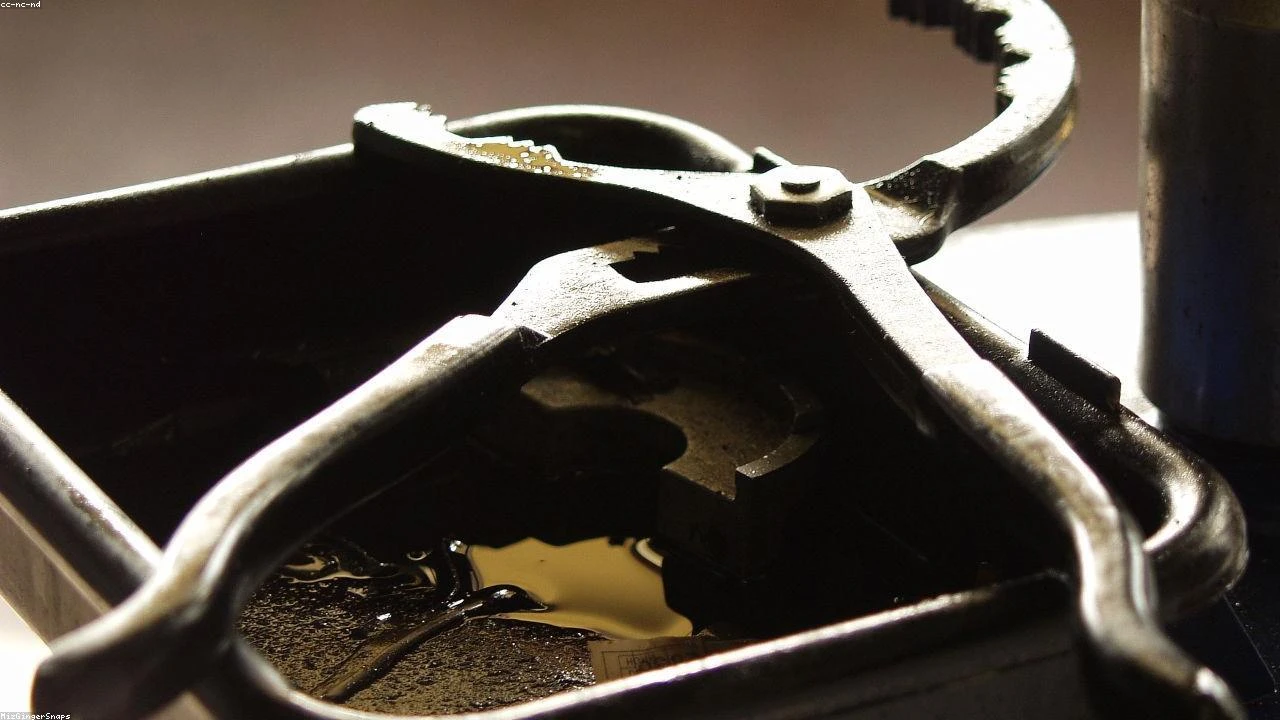
Table of Contents
- The Diagnostic / The Situation
- Technical Deep Dive
- Pre-Work Checklist
- Step-by-Step Guide
- Pro Tips & Common Mistakes
- Cost Analysis: DIY vs Mechanic
- Frequently Asked Questions
The Diagnostic / The Situation
The fuel system is a critical component of any vehicle, including Jeeps. A well-maintained fuel system ensures that your engine runs smoothly, efficiently, and reliably. However, a faulty fuel system can lead to poor performance, decreased fuel economy, and even engine damage. In this guide, we’ll explore the importance of fuel system maintenance, common symptoms of fuel system problems, and provide a comprehensive guide on how to maintain your Jeep’s fuel system.
Symptoms of fuel system problems can vary, but common signs include:
- Poor engine performance, such as hesitation or stalling
- Decreased fuel economy
- Difficulty starting the engine
- Rough idling
- Fuel leaks or odors
🔧 Related Guides:
Technical Deep Dive
The fuel system in a Jeep consists of several components, including:
- Fuel tank: stores fuel for the engine
- Fuel pump: pumps fuel from the tank to the engine
- Fuel filter: filters fuel to prevent contaminants from entering the engine
- Fuel injectors: spray fuel into the engine’s cylinders
- Fuel pressure regulator: regulates fuel pressure to ensure proper engine performance
Common failure points in the fuel system include:
- Clogged fuel filters
- Faulty fuel pumps
- Leaking fuel injectors
- Clogged fuel pressure regulators
Pre-Work Checklist
At a Glance Table
| Task | Difficulty | Time | Cost | DIY vs Shop |
|---|---|---|---|---|
| Fuel filter replacement | 2 | 30 minutes | $10 | DIY |
| Fuel pump replacement | 4 | 2 hours | $200 | Shop |
| Fuel injector cleaning | 3 | 1 hour | $50 | DIY |
Tools Required
- Fuel filter wrench
- Socket set
- Torque wrench
- Fuel pressure test kit
- Multimeter
Safety Warnings
- Always work in a well-ventilated area, away from open flames or sparks
- Wear protective gloves and eyewear when working with fuel systems
- Never smoke or use electrical devices near fuel systems
Step-by-Step Guide
Fuel Filter Replacement
Step 1: Locate the Fuel Filter
The fuel filter is typically located along the fuel line, between the fuel tank and the engine. Consult your Jeep’s owner’s manual or a repair manual for the exact location.
Step 2: Jack Up the Vehicle
Raise the vehicle using a hydraulic jack, making sure it is securely supported by jack stands.
Step 3: Remove the Fuel Filter
Use a fuel filter wrench to loosen and remove the fuel filter. Be prepared for fuel to spill out when the filter is removed.
Step 4: Install the New Fuel Filter
Place the new fuel filter on the fuel line, making sure it is securely seated. Tighten the filter by hand, then use the fuel filter wrench to tighten an additional 1-2 turns.
Fuel Pump Replacement
Step 1: Disconnect the Battery
Disconnect the negative battery cable to prevent any accidental starts or electrical shocks.
Step 2: Remove the Fuel Tank Skid Plate
Use a socket set to remove the bolts holding the fuel tank skid plate in place. Lower the skid plate to access the fuel pump.
Step 3: Disconnect the Fuel Pump Electrical Connector
Use a multimeter to test the fuel pump electrical connector for any signs of damage or corrosion. Disconnect the connector from the fuel pump.
Step 4: Remove the Fuel Pump
Use a socket set to remove the bolts holding the fuel pump in place. Carefully lift the fuel pump out of the fuel tank.
Step 5: Install the New Fuel Pump
Place the new fuel pump in the fuel tank, making sure it is securely seated. Tighten the bolts by hand, then use a torque wrench to tighten to the specified torque (typically 10-15 ft-lbs).
Pro Tips & Common Mistakes
- Always use a fuel filter wrench to avoid damaging the fuel filter or fuel line
- Never use a fuel pump with a higher pressure rating than recommended for your Jeep’s engine
- Always test the fuel system after maintenance or repairs to ensure proper function
Cost Analysis: DIY vs Mechanic
The cost of fuel system maintenance can vary depending on the task and the individual’s level of expertise. However, here is a rough estimate of the costs involved:
- Fuel filter replacement: $10 (DIY) vs $50 (mechanic)
- Fuel pump replacement: $200 (DIY) vs $500 (mechanic)
- Fuel injector cleaning: $50 (DIY) vs $200 (mechanic)
Frequently Asked Questions
- Q: How often should I replace my Jeep’s fuel filter? A: The fuel filter should be replaced every 15,000 to 30,000 miles, depending on driving conditions.
- Q: Can I use a higher pressure fuel pump in my Jeep? A: No, using a higher pressure fuel pump can damage the engine and other fuel system components.
- Q: How do I know if my Jeep’s fuel system is clogged? A: Symptoms of a clogged fuel system include poor engine performance, decreased fuel economy, and difficulty starting the engine.
- Q: Can I clean my Jeep’s fuel injectors myself? A: Yes, fuel injectors can be cleaned using a fuel injector cleaning kit. However, it is recommended to have a professional mechanic perform the task.
- Q: How much does it cost to replace a Jeep’s fuel system? A: The cost of replacing a Jeep’s fuel system can vary depending on the extent of the damage and the individual’s level of expertise. However, here is a rough estimate of the costs involved: $500 to $2,000.
Reference: Technical analysis by Ben Foster (Trail Recovery Instructor) based on reports from Jalopnik.