The Ultimate Guide to Jeep Suspension Maintenance and Upgrade
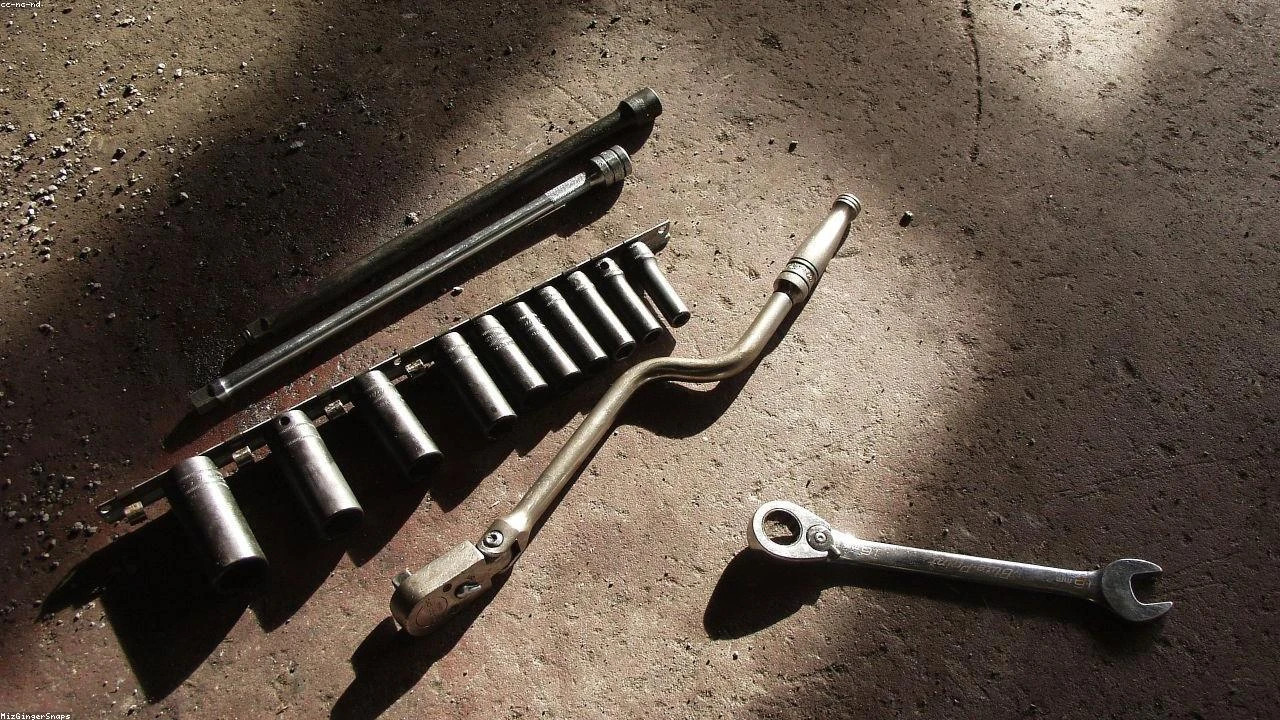
Table of Contents
- The Diagnostic / The Situation
- Technical Deep Dive
- Pre-Work Checklist
- Step-by-Step Guide
- Pro Tips & Common Mistakes
- Cost Analysis: DIY vs Mechanic
- Frequently Asked Questions
The Diagnostic / The Situation
As a Jeep owner, you know that the suspension system is crucial for a smooth ride and excellent off-road performance. However, over time, the suspension components can wear out, causing a decrease in ride quality and potentially leading to more severe problems. In this guide, we will focus on the importance of suspension maintenance and upgrade, symptoms to look for, and a step-by-step guide on how to perform the necessary repairs and upgrades.
Suspension maintenance is essential because it directly affects the safety and performance of your Jeep. A well-maintained suspension system ensures that your vehicle can handle various terrain and driving conditions, while a neglected system can lead to reduced traction, uneven tire wear, and increased risk of accidents.
🔧 Related Guides:
Symptoms to look for include uneven tire wear, vibrations while driving, and reduced ground clearance. If you notice any of these signs, it’s crucial to inspect and maintain your suspension system promptly.
Technical Deep Dive
The Jeep suspension system consists of several components, including the springs, shocks, control arms, and steering linkage. Each component plays a vital role in providing a smooth ride and excellent off-road performance.
The springs are responsible for supporting the vehicle’s weight and maintaining ride height. The shocks absorb bumps and vibrations, while the control arms connect the suspension components to the frame. The steering linkage connects the steering gear to the wheels, allowing for smooth and precise steering.
Common failure points in the suspension system include worn-out ball joints, loose or damaged control arms, and leaking shocks. It’s essential to inspect these components regularly and replace them as needed to maintain optimal performance and safety.
Pre-Work Checklist
At a Glance Table
| Difficulty | Time | Cost | DIY vs Shop |
|---|---|---|---|
| 3/5 | 4-6 hours | $500-$1000 | DIY (with experience) |
Tools Required
- 10mm Socket
- 12mm Socket
- 14mm Socket
- Torque Wrench
- Ball joint press
- Control arm bushing press
Safety Warnings
- Always wear protective gear, including gloves and safety glasses, when working with power tools and suspension components.
- Ensure the vehicle is securely lifted and supported before starting work.
- Never work under a vehicle that is only supported by a jack.
Step-by-Step Guide
Inspecting the Suspension System
Checking the Springs
Check the springs for any signs of wear or damage. Look for cracks, rust, or corrosion, and measure the spring rate to ensure it’s within the manufacturer’s specifications.
Checking the Shocks
Inspect the shocks for any signs of leakage or damage. Check the shock boots for any tears or holes, and measure the shock’s compression and rebound to ensure it’s within the manufacturer’s specifications.
Checking the Control Arms
Inspect the control arms for any signs of wear or damage. Check the bushings for any cracks or tears, and measure the control arm’s movement to ensure it’s within the manufacturer’s specifications.
Replacing the Ball Joints
Removing the Old Ball Joint
Use a ball joint press to remove the old ball joint from the control arm. Be careful not to damage the surrounding components.
Installing the New Ball Joint
Use a ball joint press to install the new ball joint into the control arm. Ensure it’s properly seated and secured.
Tightening the Ball Joint
Use a torque wrench to tighten the ball joint to the manufacturer’s specifications.
Replacing the Control Arm Bushings
Removing the Old Bushings
Use a control arm bushing press to remove the old bushings from the control arm. Be careful not to damage the surrounding components.
Installing the New Bushings
Use a control arm bushing press to install the new bushings into the control arm. Ensure they’re properly seated and secured.
Tightening the Bushings
Use a torque wrench to tighten the bushings to the manufacturer’s specifications.
Pro Tips & Common Mistakes
- Always use the correct tools and follow the manufacturer’s instructions when working with suspension components.
- Never over-tighten or under-tighten the suspension components, as this can lead to premature wear or damage.
- Always inspect the surrounding components before starting work to ensure they’re in good condition.
Cost Analysis: DIY vs Mechanic
The cost of maintaining and upgrading your Jeep’s suspension system can vary depending on the components and labor involved. On average, the cost of replacing the ball joints and control arm bushings can range from $500 to $1000, depending on the quality of the components and the labor involved.
If you choose to hire a mechanic, the labor cost can range from $500 to $1000, depending on the shop’s rates and the complexity of the job. However, if you choose to do it yourself, you can save on labor costs and only pay for the components.
Frequently Asked Questions
- What are the symptoms of a faulty suspension system? The symptoms of a faulty suspension system include uneven tire wear, vibrations while driving, and reduced ground clearance.
- How often should I inspect my suspension system? It’s recommended to inspect your suspension system every 12,000 to 15,000 miles, or as recommended by the manufacturer.
- Can I replace the suspension components myself? Yes, you can replace the suspension components yourself, but it’s recommended to have experience with suspension work and to follow the manufacturer’s instructions.
- What are the benefits of upgrading my suspension system? The benefits of upgrading your suspension system include improved ride quality, increased ground clearance, and enhanced off-road performance.
- How much does it cost to replace the suspension components? The cost of replacing the suspension components can range from $500 to $1000, depending on the quality of the components and the labor involved.
Reference: Technical analysis by Marcus Reynolds (Suspension Engineer) based on reports from Jalopnik.