The Ultimate Guide to Maintaining a Reliable Used Pickup Truck
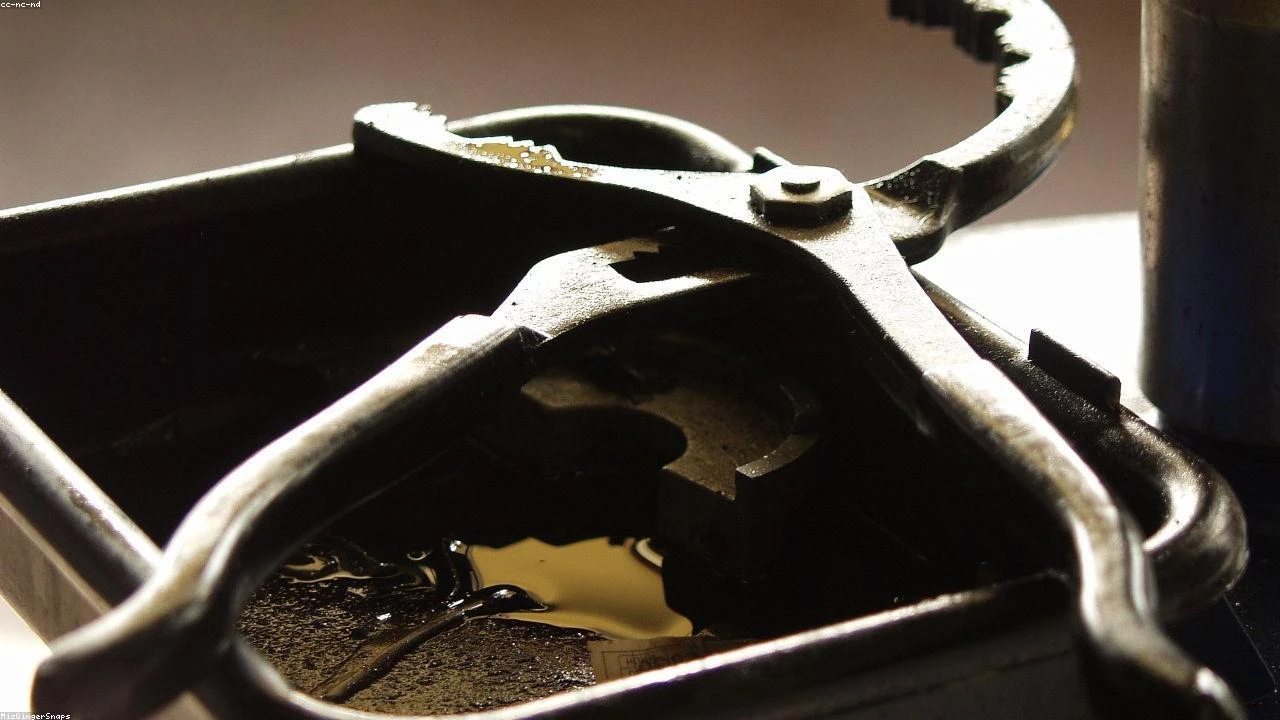
Table of Contents
- Technical Background
- Technical Deep Dive
- Pre-Work Checklist
- Step-by-Step Guide
- Pro Tips & Common Mistakes
- Cost Analysis: DIY vs Mechanic
- Frequently Asked Questions
The Diagnostic / The Situation
When it comes to buying a used pickup truck, reliability is a top priority. A reliable truck can save you money and hassle in the long run, while an unreliable one can lead to costly repairs and downtime. According to Consumer Reports, some used pickup trucks are more reliable than others. In this guide, we’ll take a closer look at the technical aspects of maintaining a reliable used pickup truck.
Technical Background
A used pickup truck’s reliability depends on various factors, including its engine, transmission, suspension, and electrical systems. Regular maintenance is crucial to prevent breakdowns and ensure the truck runs smoothly. Symptoms of a potentially unreliable truck include unusual noises, vibrations, and warning lights on the dashboard.
🔧 Related Guides:
Technical Deep Dive
A pickup truck’s engine is its heart, and regular maintenance is essential to keep it running efficiently. The engine’s components, such as the oil pump, water pump, and timing belt, must be inspected and replaced as needed. The transmission, suspension, and electrical systems also require regular maintenance to prevent breakdowns.
Common failure points in a used pickup truck include:
- The plastic impeller in the water pump
- The timing belt or chain
- The engine’s oil seals and gaskets
- The suspension’s bushings and ball joints
- The electrical system’s wiring and connectors
Pre-Work Checklist
Before starting any maintenance work on your used pickup truck, it’s essential to have a clear understanding of the tasks involved and the tools required.
| Task | Difficulty | Time | Cost | DIY vs Shop |
|---|---|---|---|---|
| Oil change | 2 | 1 hour | $50 | DIY |
| Tire rotation | 2 | 1 hour | $20 | DIY |
| Brake pad replacement | 3 | 2 hours | $100 | Shop |
| Suspension inspection | 3 | 2 hours | $50 | DIY |
| Electrical system inspection | 4 | 3 hours | $100 | Shop |
Tools Required
- Socket set
- Wrench set
- Pliers and punch set
- Multimeter
- Air compressor
- Jack and jack stands
Safety Warnings
- Always wear protective gear, including gloves, safety glasses, and a face mask, when working on your truck.
- Make sure the truck is parked on a level surface and apply the parking brake before starting any work.
- Never work under a lifted truck without proper support.
Step-by-Step Guide
Maintaining a reliable used pickup truck requires regular attention to its various systems. Here’s a step-by-step guide to help you get started:
Oil Change
Step 1: Gather Materials
- Oil filter wrench
- New oil filter
- Oil drain pan
- New motor oil
Step 2: Warm Up the Engine
- Drive the truck for a few minutes to warm up the engine.
Step 3: Drain the Oil
- Locate the oil drain plug and remove it using a socket wrench.
- Allow the oil to drain into the oil drain pan.
Step 4: Replace the Oil Filter
- Remove the old oil filter using an oil filter wrench.
- Install a new oil filter and hand tighten it.
Step 5: Refill the Oil
- Pour in the new motor oil through the oil filler cap.
- Replace the oil filler cap and start the engine.
Tire Rotation
Step 1: Gather Materials
- Tire pressure gauge
- Lug wrench
- Wheel chocks
Step 2: Check Tire Pressure
- Use a tire pressure gauge to check the tire pressure.
- Adjust the pressure as needed.
Step 3: Rotate the Tires
- Use a lug wrench to loosen the lug nuts on the first wheel.
- Raise the wheel using a jack and remove the lug nuts.
- Rotate the tire to its new position and hand tighten the lug nuts.
- Repeat the process for the remaining wheels.
Brake Pad Replacement
Step 1: Gather Materials
- New brake pads
- Brake pad spreader
- C-clamps
Step 2: Remove the Wheel
- Use a lug wrench to loosen the lug nuts on the wheel.
- Raise the wheel using a jack and remove the lug nuts.
Step 3: Remove the Caliper
- Use a wrench to loosen the caliper bolts.
- Remove the caliper and set it aside.
Step 4: Remove the Old Brake Pads
- Use a brake pad spreader to push the old brake pads out of the caliper.
- Remove the old brake pads and discard them.
Step 5: Install the New Brake Pads
- Install the new brake pads into the caliper.
- Use the brake pad spreader to push the new brake pads into place.
Pro Tips & Common Mistakes
- Always refer to your truck’s owner’s manual for specific maintenance recommendations.
- Don’t neglect regular maintenance, as it can lead to costly repairs down the road.
- Use the correct tools and materials to avoid damaging your truck’s components.
- Don’t over-tighten or under-tighten bolts and nuts, as it can lead to damage or failure.
Cost Analysis: DIY vs Mechanic
Maintaining a reliable used pickup truck can be cost-effective if you do it yourself. However, some tasks may require the expertise of a professional mechanic. Here’s a breakdown of the costs involved:
- Oil change: $50 (DIY) vs $100 (mechanic)
- Tire rotation: $20 (DIY) vs $50 (mechanic)
- Brake pad replacement: $100 (DIY) vs $200 (mechanic)
- Suspension inspection: $50 (DIY) vs $100 (mechanic)
- Electrical system inspection: $100 (DIY) vs $200 (mechanic)
Frequently Asked Questions
- Q: How often should I change my truck’s oil? A: It’s recommended to change your truck’s oil every 5,000 to 7,500 miles, depending on the manufacturer’s recommendations.
- Q: What are the symptoms of a faulty brake pad? A: Symptoms of a faulty brake pad include squealing or grinding noises, vibration, and spongy brake pedals.
- Q: How do I check my truck’s tire pressure? A: Use a tire pressure gauge to check the tire pressure, and adjust it as needed according to the manufacturer’s recommendations.
- Q: What are the common causes of a used pickup truck’s electrical system failure? A: Common causes of electrical system failure include worn-out wiring, corroded connectors, and faulty fuses.
- Q: How do I maintain my truck’s suspension system? A: Regularly inspect the suspension system for worn-out bushings, ball joints, and shocks, and replace them as needed to maintain a smooth ride and prevent damage to other components.
Reference: Technical analysis by Ben Foster (Trail Recovery Instructor) based on reports from Jalopnik.