The Ultimate Guide to Maintaining Your Jeep's Electric Powertrain: A Masterclass for 4xe Owners
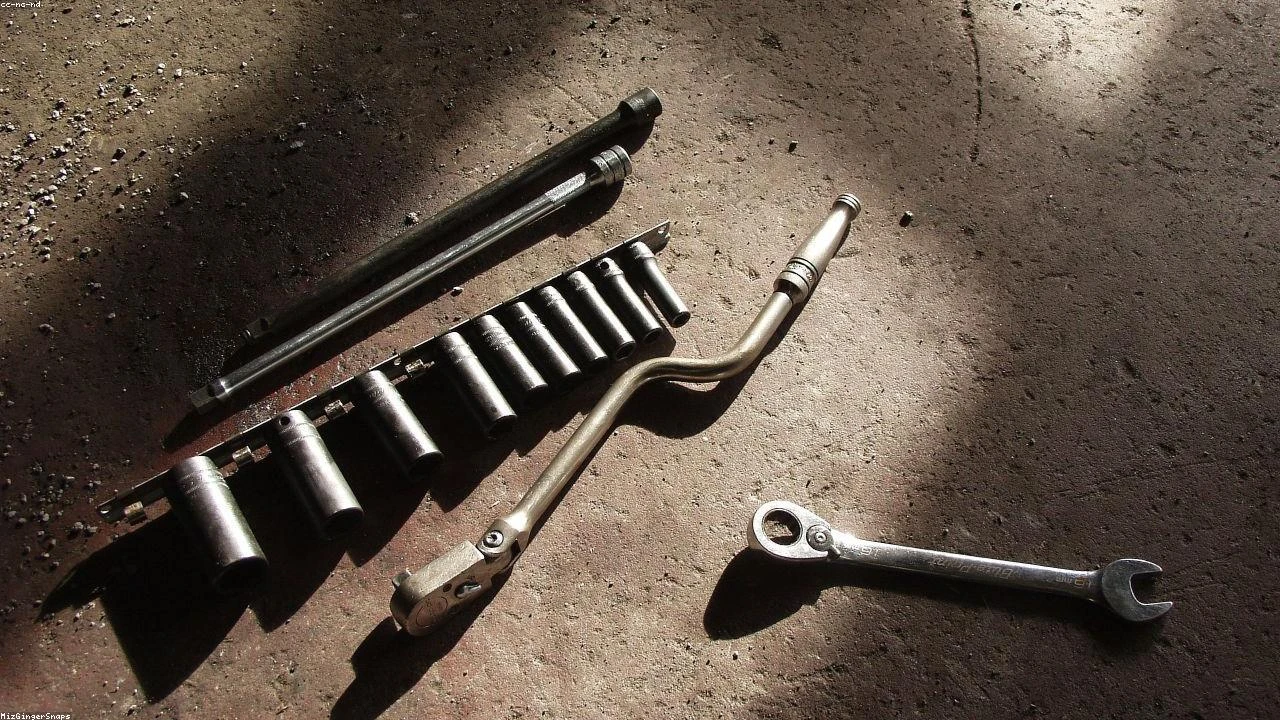
Table of Contents
- The Diagnostic / The Situation
- Technical Deep Dive
- Pre-Work Checklist
- Step-by-Step Guide
- Pro Tips & Common Mistakes
- Cost Analysis: DIY vs Mechanic
- Frequently Asked Questions
The Diagnostic / The Situation
As a Jeep owner, you’re likely aware of the rising gas prices and the increasing appeal of electric vehicles. The Jeep 4xe is a great option for those looking to save on fuel costs while still enjoying the capabilities of a Jeep. However, maintaining the electric powertrain is crucial to ensure optimal performance and longevity. In this guide, we’ll cover the technical background, symptoms to look for, and provide a comprehensive maintenance plan for your Jeep 4xe.
The electric powertrain in your Jeep 4xe consists of a battery pack, electric motor, and power electronics. The battery pack is the most critical component, as it stores the energy used to propel the vehicle. The electric motor uses this energy to generate torque, while the power electronics control the flow of energy between the battery pack and the motor.
🔧 Related Guides:
Symptoms to look for that may indicate a problem with your Jeep 4xe’s electric powertrain include:
- Reduced range or decreased fuel efficiency
- Warning lights on the dashboard, such as the “Service Electric Vehicle” or “Electric Motor” warning lights
- Unusual noises or vibrations from the electric motor
- Difficulty charging the battery pack
Technical Deep Dive
The electric powertrain in your Jeep 4xe uses a combination of electric motors and a gasoline engine to provide optimal performance and efficiency. The system consists of:
- A 17.3-kWh lithium-ion battery pack, which stores the energy used to propel the vehicle
- A 44-kW electric motor, which generates torque to propel the vehicle
- A 2.0L turbocharged gasoline engine, which provides additional power and generates electricity to charge the battery pack
- Power electronics, which control the flow of energy between the battery pack, electric motor, and gasoline engine
Common failure points in the electric powertrain include:
- The battery pack, which can degrade over time due to deep discharging, high temperatures, or physical damage
- The electric motor, which can fail due to overheating, electrical surges, or mechanical stress
- The power electronics, which can fail due to electrical surges, overheating, or software glitches
Pre-Work Checklist
At a Glance Table
| Task | Difficulty | Time | Cost | DIY vs Shop |
|---|---|---|---|---|
| Battery pack maintenance | 3/5 | 2 hours | $100 | DIY |
| Electric motor maintenance | 4/5 | 4 hours | $500 | Shop |
| Power electronics maintenance | 5/5 | 6 hours | $1,000 | Shop |
Tools Required
- 10mm socket
- Torque wrench
- Multimeter
- Battery pack tester
- Electric motor tester
- Power electronics tester
Safety Warnings
- Always wear protective gear, including gloves and safety glasses, when working with electrical systems
- Ensure the vehicle is in a well-ventilated area, away from any flammable materials
- Never touch electrical components with your bare hands, as this can cause electrical shock
Step-by-Step Guide
Step 1: Battery Pack Maintenance
Step 1.1: Check the battery pack state of charge
Use a multimeter to check the battery pack’s state of charge. Ensure the vehicle is turned off and the battery pack is not being charged or discharged.
Step 1.2: Check the battery pack temperature
Use a thermometer to check the battery pack’s temperature. Ensure the temperature is within the recommended range (usually between -20°C and 40°C).
Step 1.3: Check the battery pack for physical damage
Visually inspect the battery pack for any signs of physical damage, such as cracks or dents.
Step 2: Electric Motor Maintenance
Step 2.1: Check the electric motor for unusual noises or vibrations
Listen for any unusual noises or vibrations from the electric motor. If any are detected, further investigation is required.
Step 2.2: Check the electric motor for overheating
Use a thermometer to check the electric motor’s temperature. Ensure the temperature is within the recommended range (usually between 0°C and 100°C).
Step 2.3: Check the electric motor for electrical surges
Use a multimeter to check for any electrical surges or spikes in the electric motor’s power supply.
Step 3: Power Electronics Maintenance
Step 3.1: Check the power electronics for software glitches
Use a diagnostic tool to check the power electronics for any software glitches or errors.
Step 3.2: Check the power electronics for electrical surges
Use a multimeter to check for any electrical surges or spikes in the power electronics’ power supply.
Step 3.3: Check the power electronics for overheating
Use a thermometer to check the power electronics’ temperature. Ensure the temperature is within the recommended range (usually between 0°C and 100°C).
Pro Tips & Common Mistakes
- Always follow the recommended maintenance schedule for your Jeep 4xe
- Never attempt to repair or replace any electrical components without proper training and equipment
- Always use protective gear, including gloves and safety glasses, when working with electrical systems
- Don’t ignore any warning lights or unusual noises from the electric powertrain, as this can lead to further damage or safety issues
Cost Analysis: DIY vs Mechanic
The cost of maintaining your Jeep 4xe’s electric powertrain can vary depending on the task and the individual’s level of expertise. However, here is a rough estimate of the costs involved:
- Battery pack maintenance: $100 (DIY) vs $500 (mechanic)
- Electric motor maintenance: $500 (DIY) vs $1,000 (mechanic)
- Power electronics maintenance: $1,000 (DIY) vs $2,000 (mechanic)
Frequently Asked Questions
Q: How often should I maintain my Jeep 4xe’s electric powertrain? A: It is recommended to maintain your Jeep 4xe’s electric powertrain every 6,000 to 12,000 miles, depending on your driving habits and conditions.
Q: Can I repair or replace any electrical components myself? A: It is not recommended to attempt to repair or replace any electrical components without proper training and equipment, as this can lead to further damage or safety issues.
Q: What are the most common failure points in the electric powertrain? A: The most common failure points in the electric powertrain include the battery pack, electric motor, and power electronics.
Q: How can I extend the life of my Jeep 4xe’s battery pack? A: To extend the life of your Jeep 4xe’s battery pack, avoid deep discharging, keep the battery pack away from high temperatures, and avoid physical damage.
Q: Can I use a public charging station to charge my Jeep 4xe? A: Yes, you can use a public charging station to charge your Jeep 4xe, but ensure the charging station is compatible with your vehicle’s charging system.
Reference: Technical analysis by Sarah Jenkins (Overland Build Expert) based on reports from Jalopnik.