The Ultimate Guide to Maintaining Your Jeep's Engine Performance
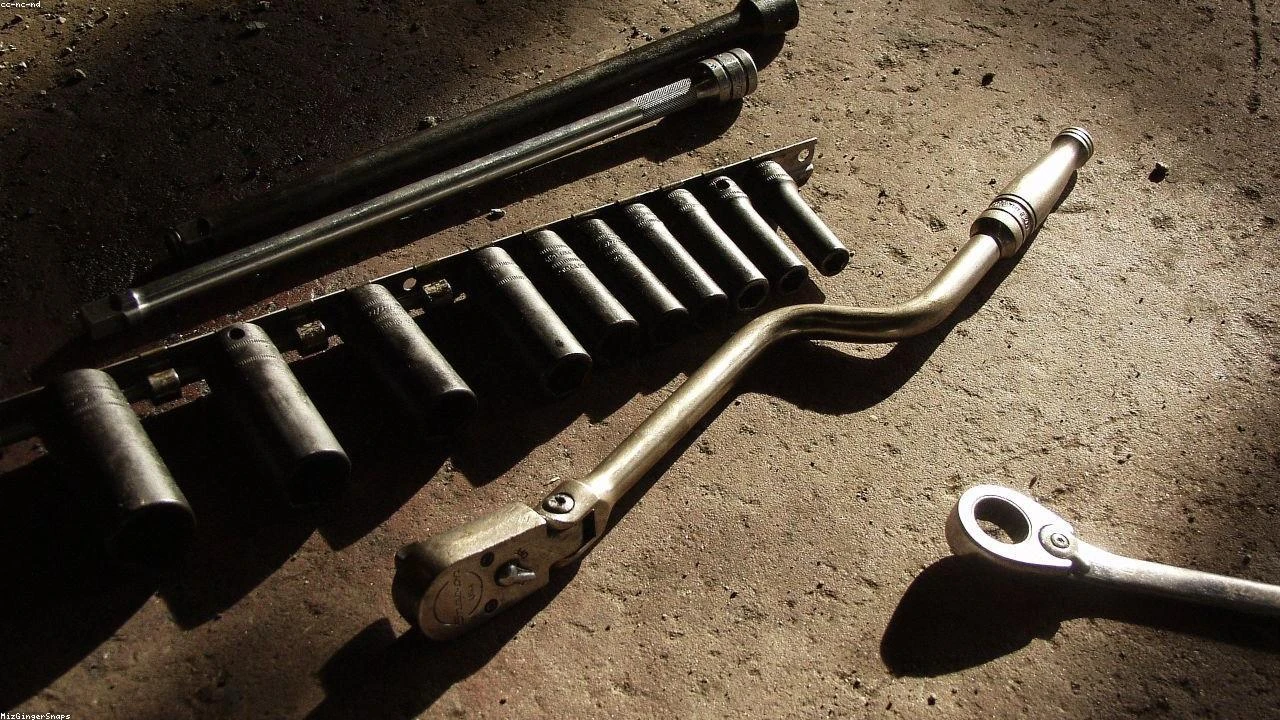
Table of Contents
- Technical Deep Dive
- Pre-Work Checklist
- Step-by-Step Guide
- Pro Tips & Common Mistakes
- Cost Analysis: DIY vs Mechanic
- Frequently Asked Questions
The Diagnostic / The Situation
As a Master Jeep Mechanic and Off-road Engineer, I’ve seen my fair share of engine performance issues in Jeeps. Whether you’re hitting the trails in a Wrangler or cruising the highway in a Grand Cherokee, a well-maintained engine is crucial for optimal performance. In this guide, we’ll dive into the technical background of Jeep engines, common symptoms of performance issues, and provide a comprehensive maintenance guide to keep your engine running smoothly.
Technical Deep Dive
Jeep engines, like any other internal combustion engine, rely on a combination of air, fuel, and spark to generate power. The engine’s performance is influenced by various factors, including the fuel system, ignition system, and exhaust system. Common failure points in Jeep engines include the fuel injectors, spark plugs, and oxygen sensors. Regular maintenance is essential to prevent these issues and ensure your engine runs at its best.
🔧 Related Guides:
Pre-Work Checklist
At a Glance Table
| Difficulty | Time | Cost | DIY vs Shop |
|---|---|---|---|
| 3/5 | 2-3 hours | $500-$1000 | DIY (with experience) |
Tools Required
- 10mm Socket
- Torque Wrench
- Fuel pressure test kit
- Spark plug gap gauge
- Oxygen sensor socket
Safety Warnings
- Always wear protective gloves and safety glasses when working with engines.
- Ensure the engine is cool before starting any maintenance work.
- Never work on an engine while it’s running or hot.
Step-by-Step Guide
Step 1: Inspect the Air Filter
The air filter is a critical component in maintaining engine performance. A dirty or clogged air filter can reduce power and fuel efficiency.
Step 1.1: Locate the Air Filter
The air filter is usually located in the engine compartment, attached to the air intake duct.
Step 1.2: Remove the Air Filter
Use a screwdriver to remove the air filter housing and pull out the filter.
Step 1.3: Inspect and Clean the Air Filter
Inspect the air filter for any debris or damage. Clean the filter with a soft brush or replace it if necessary.
Step 2: Check the Fuel System
The fuel system is responsible for delivering fuel to the engine. A faulty fuel system can cause poor engine performance.
Step 2.1: Check the Fuel Pressure
Use a fuel pressure test kit to check the fuel pressure. Compare the reading to the manufacturer’s specifications.
Step 2.2: Inspect the Fuel Injectors
Use a fuel injector cleaning kit to clean the fuel injectors. Make sure to follow the manufacturer’s instructions.
Step 3: Inspect the Ignition System
The ignition system is responsible for generating the spark that ignites the fuel.
Step 3.1: Check the Spark Plugs
Use a spark plug gap gauge to check the spark plug gap. Adjust the gap if necessary.
Step 3.2: Inspect the Spark Plug Wires
Inspect the spark plug wires for any signs of wear or damage. Replace them if necessary.
Step 4: Check the Exhaust System
The exhaust system is responsible for removing the exhaust gases from the engine.
Step 4.1: Inspect the Oxygen Sensor
Use an oxygen sensor socket to remove the oxygen sensor. Inspect the sensor for any signs of wear or damage.
Step 4.2: Check the Exhaust Manifold
Inspect the exhaust manifold for any signs of leaks or damage. Replace it if necessary.
Pro Tips & Common Mistakes
- Always use the correct type of fuel for your Jeep.
- Avoid over-revving the engine, as it can cause damage to the engine and other components.
- Don’t ignore any warning lights on the dashboard, as they can indicate a serious issue with the engine.
Cost Analysis: DIY vs Mechanic
The cost of maintaining your Jeep’s engine performance can vary depending on the type of work and the mechanic’s labor rate. On average, a DIY maintenance job can cost between $500-$1000, while a mechanic’s labor rate can range from $75-$150 per hour.
Frequently Asked Questions
- What type of fuel should I use in my Jeep? The type of fuel to use in your Jeep depends on the engine type and model year. Consult your owner’s manual for the recommended fuel type.
- How often should I change my air filter? The air filter should be changed every 15,000 to 30,000 miles, depending on driving conditions.
- What are the symptoms of a faulty oxygen sensor? A faulty oxygen sensor can cause poor engine performance, decreased fuel efficiency, and increased emissions.
- Can I use a generic air filter in my Jeep? It’s recommended to use a genuine Jeep air filter to ensure optimal engine performance and longevity.
- How often should I check my spark plugs? The spark plugs should be checked every 30,000 to 100,000 miles, depending on the engine type and driving conditions.
Reference: Technical analysis by Ben Foster (Trail Recovery Instructor) based on reports from Motor1 News.