The Ultimate Guide to Motor Oil: Understanding its Creation and Importance in Your Jeep
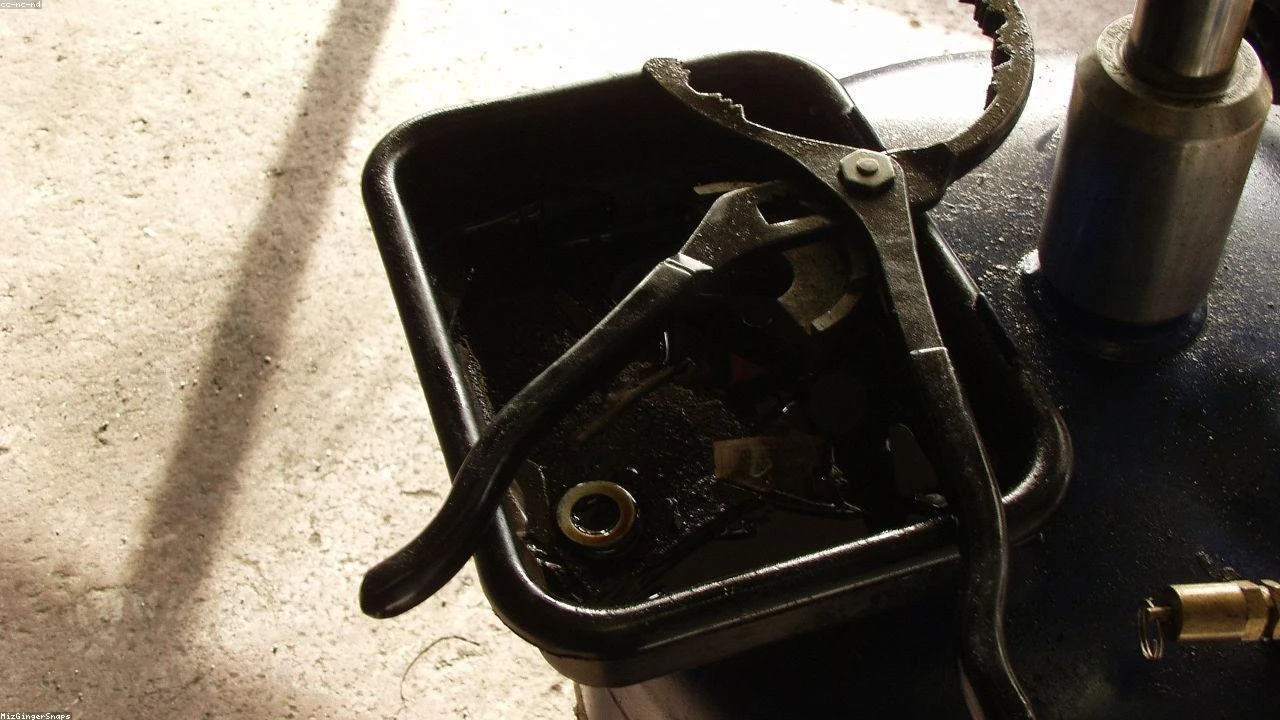
Table of Contents
- The Diagnostic / The Situation
- Technical Deep Dive
- Pre-Work Checklist
- Step-by-Step Guide
- Pro Tips & Common Mistakes
- Cost Analysis: DIY vs Mechanic
- Frequently Asked Questions
The Diagnostic / The Situation
Motor oil is a crucial component in the longevity and performance of your Jeep’s engine. However, many of us take it for granted, assuming it’s just a simple substance extracted from the ground. The truth is, the motor oil in your car undergoes a complex process from extraction to refinement, formulation, and distribution. Understanding this process can help you appreciate the importance of regular oil changes and the selection of the right oil for your vehicle.
Symptoms of poor motor oil quality or inadequate maintenance include decreased fuel efficiency, increased engine noise, and potentially, engine failure. It’s essential to recognize these signs and take proactive steps to ensure your Jeep’s engine remains well-lubricated and healthy.
🔧 Related Guides:
Technical Deep Dive
The creation of motor oil involves several stages:
- Extraction: Crude oil is extracted from the earth through drilling.
- Refining: The crude oil is then refined to separate it into various petroleum products, including gasoline, diesel, and base oils.
- Formulation: The base oils are blended with additives to create the final motor oil product. These additives can include detergents, dispersants, and anti-wear agents, among others.
- Distribution: The formulated motor oil is then packaged and distributed to manufacturers and consumers.
Common failure points in motor oil include the breakdown of additives over time, contamination with dirt or water, and the use of the wrong viscosity oil for the climate or engine type.
Pre-Work Checklist
At a Glance Table
| Task | Difficulty (1-5) | Time | Cost | DIY vs Shop |
|---|---|---|---|---|
| Oil Change | 2 | 1-2 hours | $50-$100 | DIY |
| Oil Analysis | 1 | 30 minutes | $20-$50 | DIY/Shop |
Tools Required
- Socket set
- Oil filter wrench
- New oil filter
- Oil drain pan
- Funnel
- New motor oil
Safety Warnings
- Always refer to your Jeep’s manual for the recommended oil type and capacity.
- Ensure the vehicle is on a level surface and apply the parking brake before starting work.
- Wear protective gloves and eyewear when handling oil and tools.
Step-by-Step Guide
Checking the Oil Level
Locating the Oil Dipstick
Find the oil dipstick under the hood of your Jeep. It’s usually labeled “Oil” or have an oil can symbol on it.
Pulling Out the Dipstick
Pull out the dipstick and wipe it clean with a lint-free cloth or paper towel.
Inserting the Dipstick
Insert the dipstick back into the oil reservoir and pull it out again. The dipstick will now be coated with oil.
Reading the Oil Level
Check the end of the dipstick for the oil level. The level should be between the “MIN” and “MAX” marks on the dipstick.
Changing the Motor Oil
Draining the Old Oil
Locate the oil drain plug at the bottom of the engine. Use a socket to loosen the plug, then let it drain into an oil drain pan.
Removing the Oil Filter
Use an oil filter wrench to loosen and remove the old oil filter. Be careful not to spill any oil when removing the filter.
Installing a New Oil Filter
Place a new oil filter on the engine and hand tighten it.
Refilling with New Oil
Use a funnel to pour in the new motor oil. Refer to your Jeep’s manual for the correct oil type and capacity.
Replacing the Oil Drain Plug
Tighten the oil drain plug securely.
Disposing of Used Oil and Filter
Take the used oil and filter to a recycling center or an auto parts store that accepts used oil and filters.
Pro Tips & Common Mistakes
- Always use the correct type of oil for your Jeep, as specified in the owner’s manual.
- Don’t overfill the engine with oil, as this can cause damage to the engine and other components.
- Regular oil changes can help extend the life of your engine and improve fuel efficiency.
Cost Analysis: DIY vs Mechanic
The cost of a DIY oil change can range from $50 to $100, depending on the type and amount of oil needed. Having a mechanic perform the oil change can cost between $100 to $200, including labor. While the DIY approach saves money, it requires time and some mechanical knowledge.
Frequently Asked Questions
Q: How often should I change my Jeep’s motor oil? A: The frequency of oil changes depends on the type of oil used and the driving conditions. Typically, synthetic oil can last longer (up to 10,000 miles) than conventional oil (up to 5,000 miles).
Q: What type of motor oil is best for my Jeep? A: Refer to your Jeep’s owner’s manual for the recommended oil type. Generally, 0W-20 or 5W-20 synthetic oil is suitable for most Jeep models.
Q: Can I use any brand of motor oil in my Jeep? A: While it’s possible to use different brands, it’s recommended to stick with reputable brands that meet the API certification standards for your vehicle’s engine type.
Q: How do I dispose of used motor oil and filters? A: Take used oil and filters to a recycling center or an auto parts store that accepts used oil and filters. Do not dispose of them in the trash or down the drain.
Q: What are the consequences of not changing my Jeep’s oil regularly? A: Failure to change the oil regularly can lead to engine wear, decreased fuel efficiency, and potentially, engine failure, requiring costly repairs.
Reference: Technical analysis by Marcus Reynolds (Suspension Engineer) based on reports from Jalopnik.