The Ultimate Guide to Optimizing Your Jeep's Suspension for Better Fuel Economy
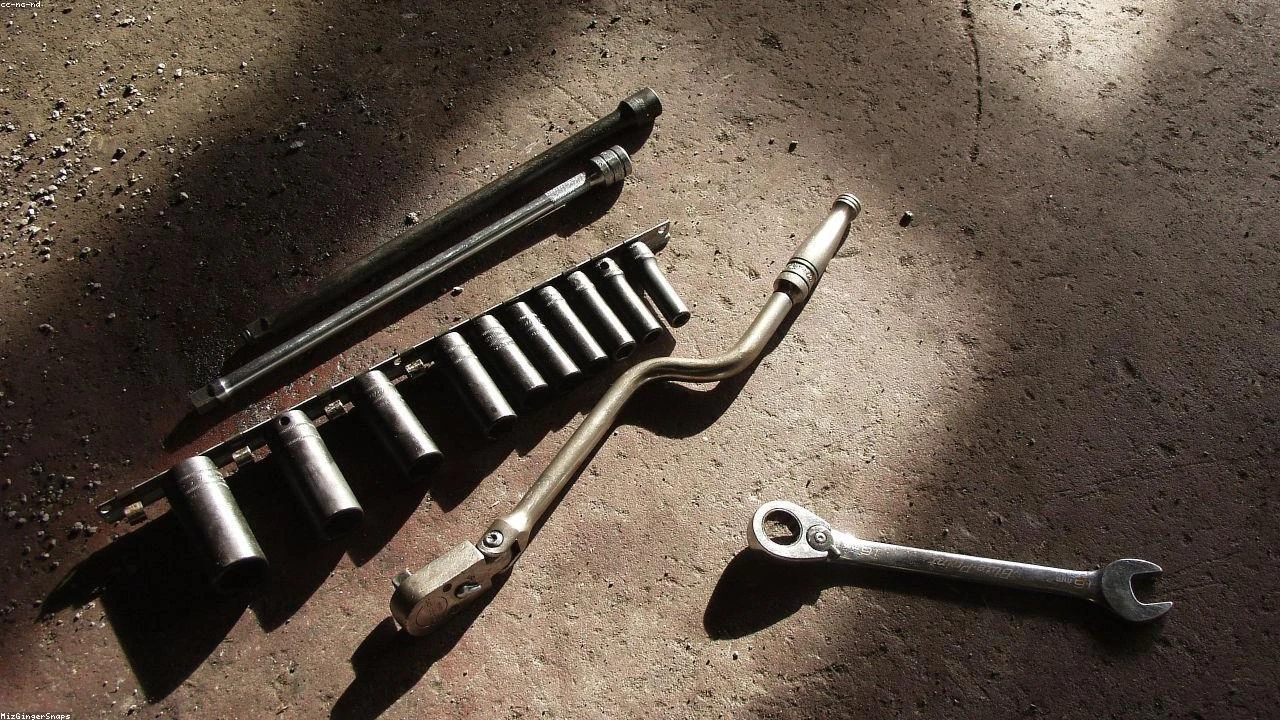
Table of Contents
- The Diagnostic / The Situation
- Technical Deep Dive
- Pre-Work Checklist
- Step-by-Step Guide
- Pro Tips & Common Mistakes
- Cost Analysis: DIY vs Mechanic
- Frequently Asked Questions
The Diagnostic / The Situation
As a Jeep owner, you’re likely aware of the importance of suspension in ensuring a smooth ride and stable handling. However, you may not know that your suspension choice can also significantly impact your vehicle’s fuel economy. The suspension system plays a crucial role in maintaining optimal tire contact with the road, which in turn affects rolling resistance and fuel efficiency. In this guide, we’ll delve into the technical background of how suspension affects fuel economy and provide you with the knowledge to make informed decisions about your Jeep’s suspension setup.
🔧 Related Guides:
Symptoms or signs to look for that may indicate your suspension is affecting your fuel economy include:
- Decreased fuel efficiency
- Uneven tire wear
- Poor handling and stability
- Increased ride height or sagging suspension
Technical Deep Dive
The suspension system in your Jeep is designed to absorb shocks and maintain tire contact with the road. It consists of several key components, including:
- Coil springs or torsion bars
- Shock absorbers
- Control arms
- Bushings and mounts
The suspension system works by compressing and rebounding to absorb bumps and maintain ride height. However, when the suspension is not optimized, it can lead to increased rolling resistance, which in turn decreases fuel efficiency. Common failure points in the suspension system that can affect fuel economy include:
- Worn-out bushings and mounts
- Weak or damaged coil springs or torsion bars
- Leaking or damaged shock absorbers
Pre-Work Checklist
At a Glance Table
| Task | Difficulty | Time | Cost | DIY vs Shop |
|---|---|---|---|---|
| Inspect suspension system | 2 | 1 hour | $0 | DIY |
| Replace worn-out bushings and mounts | 3 | 2 hours | $200 | DIY |
| Replace coil springs or torsion bars | 4 | 3 hours | $500 | Shop |
| Replace shock absorbers | 3 | 2 hours | $300 | DIY |
Tools Required
- 10mm socket
- 12mm socket
- Torque wrench
- Spring compressor
- Shock absorber compressor
Safety Warnings
- Always wear protective gear, including gloves and safety glasses, when working with suspension components.
- Ensure the vehicle is securely supported by jack stands before starting work.
- Never attempt to repair or replace suspension components while the vehicle is in motion.
Step-by-Step Guide
Inspect the Suspension System
Step 1: Raise the Vehicle
Raise the vehicle using a hydraulic lift or jack stands to access the suspension components.
Step 2: Inspect Bushings and Mounts
Inspect the bushings and mounts for signs of wear or damage. Replace any damaged components with new ones.
Step 3: Check Coil Springs or Torsion Bars
Check the coil springs or torsion bars for signs of wear or damage. Replace any damaged components with new ones.
Step 4: Inspect Shock Absorbers
Inspect the shock absorbers for signs of leakage or damage. Replace any damaged components with new ones.
Replace Worn-Out Bushings and Mounts
Step 1: Remove the Old Bushings and Mounts
Remove the old bushings and mounts using a socket wrench or impact wrench.
Step 2: Install the New Bushings and Mounts
Install the new bushings and mounts, ensuring they are properly seated and secured.
Step 3: Tighten the Bolts
Tighten the bolts to the recommended torque specification.
Replace Coil Springs or Torsion Bars
Step 1: Remove the Old Coil Springs or Torsion Bars
Remove the old coil springs or torsion bars using a spring compressor or torsion bar tool.
Step 2: Install the New Coil Springs or Torsion Bars
Install the new coil springs or torsion bars, ensuring they are properly seated and secured.
Step 3: Tighten the Bolts
Tighten the bolts to the recommended torque specification.
Replace Shock Absorbers
Step 1: Remove the Old Shock Absorbers
Remove the old shock absorbers using a socket wrench or impact wrench.
Step 2: Install the New Shock Absorbers
Install the new shock absorbers, ensuring they are properly seated and secured.
Step 3: Tighten the Bolts
Tighten the bolts to the recommended torque specification.
Pro Tips & Common Mistakes
- Always use the correct torque specification when tightening bolts to avoid damaging the suspension components.
- Never attempt to repair or replace suspension components while the vehicle is in motion.
- Use a spring compressor or torsion bar tool to remove and install coil springs or torsion bars to avoid injury or damage.
- Don’t overlook the importance of proper tire inflation and alignment in maintaining optimal fuel economy.
Cost Analysis: DIY vs Mechanic
The cost of repairing or replacing suspension components can vary depending on the complexity of the job and the labor costs of a mechanic. However, by doing the work yourself, you can save money on labor costs. Here’s a breakdown of the estimated costs:
- Inspecting the suspension system: $0 (DIY)
- Replacing worn-out bushings and mounts: $200 (DIY) vs $500 (mechanic)
- Replacing coil springs or torsion bars: $500 (DIY) vs $1,500 (mechanic)
- Replacing shock absorbers: $300 (DIY) vs $800 (mechanic)
Frequently Asked Questions
- Q: How often should I inspect my suspension system? A: It’s recommended to inspect your suspension system every 12,000 to 15,000 miles to ensure optimal performance and fuel economy.
- Q: Can I use aftermarket suspension components to improve fuel economy? A: Yes, aftermarket suspension components can be used to improve fuel economy, but it’s essential to ensure they are compatible with your vehicle and meet the manufacturer’s specifications.
- Q: How does ride height affect fuel economy? A: Ride height can affect fuel economy by altering the aerodynamics of the vehicle. A higher ride height can increase wind resistance, which can decrease fuel efficiency.
- Q: Can I replace my suspension components myself? A: Yes, replacing suspension components can be done yourself, but it’s essential to ensure you have the necessary tools and expertise to do the job correctly.
- Q: How much can I expect to improve my fuel economy by optimizing my suspension system? A: The amount of improvement in fuel economy will depend on various factors, including the condition of your suspension system, the type of vehicle, and driving habits. However, optimizing your suspension system can lead to an improvement of up to 10% in fuel economy.
Reference: Technical analysis by Dave Harsya (Certified 4x4 Mechanic) based on reports from Jalopnik.