The Ultimate Guide to Preparing Your Fun Vehicle for Spring: A Masterclass in Maintenance and Modification
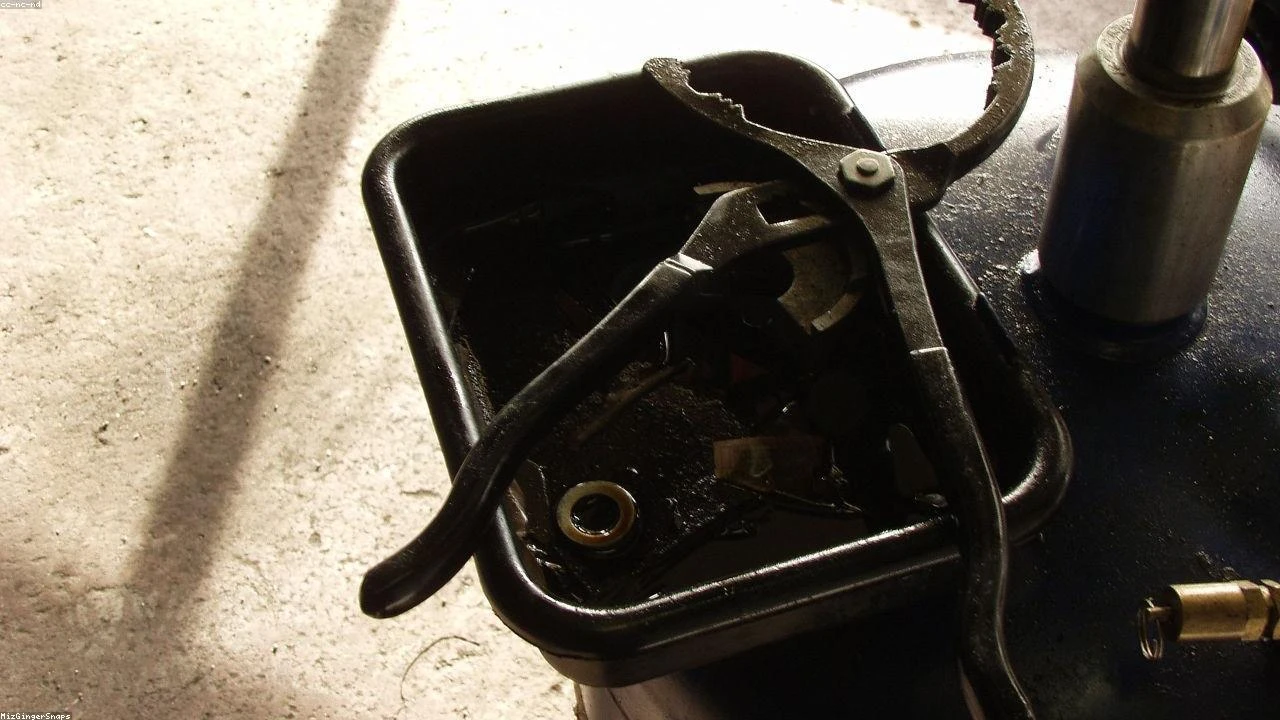
Table of Contents
- The Diagnostic / The Situation
- Technical Deep Dive
- Pre-Work Checklist
- Step-by-Step Guide
- Pro Tips & Common Mistakes
- Cost Analysis: DIY vs Mechanic
- Frequently Asked Questions
The Diagnostic / The Situation
As the weather starts to warm up, many car enthusiasts are eager to get their fun vehicles out of storage and back on the road. However, before you can start cruising around, it’s essential to make sure your vehicle is in top condition. This guide will focus on the Volvo 240, BMW Z3, and Peugeot 205, but the principles can be applied to any fun vehicle.
🔧 Related Guides:
The symptoms to look out for when preparing your fun vehicle for spring include:
- Low battery voltage
- Stiff or seized engine components
- Corroded or damaged electrical systems
- Worn-out brake pads or rotors
- Uneven tire wear
Technical Deep Dive
The systems that require the most attention when preparing your fun vehicle for spring are the engine, suspension, and electrical systems. The engine needs to be checked for any signs of damage or wear, such as low compression, oil leaks, or faulty spark plugs. The suspension system should be inspected for any signs of wear or damage, such as uneven tire wear, loose ball joints, or broken coil springs. The electrical system should be checked for any signs of corrosion or damage, such as faulty wiring, corroded connectors, or malfunctioning sensors.
Common failure points in these systems include:
- The timing belt in the Volvo 240
- The water pump in the BMW Z3
- The alternator in the Peugeot 205
Pre-Work Checklist
At a Glance Table
| Task | Difficulty | Time | Cost | DIY vs Shop |
|---|---|---|---|---|
| Oil change | 2 | 1 hour | $50 | DIY |
| Brake pad replacement | 3 | 2 hours | $200 | Shop |
| Suspension inspection | 2 | 1 hour | $0 | DIY |
| Electrical system check | 3 | 2 hours | $100 | Shop |
Tools Required
- Socket set
- Wrench set
- Pliers
- Screwdrivers
- Multimeter
- Air compressor
- Tire pressure gauge
Safety Warnings
- Always wear protective gear, such as gloves and safety glasses, when working with power tools or electrical systems.
- Make sure the vehicle is on a level surface and apply the parking brake before starting any work.
- Never work under a vehicle that is supported by a jack alone.
Step-by-Step Guide
Step 1: Oil Change
Step 1.1: Gather materials
- Oil filter wrench
- New oil filter
- Oil drain pan
- New motor oil
Step 1.2: Warm up the engine
- Drive the vehicle for a few minutes to warm up the engine.
Step 1.3: Drain the oil
- Locate the oil drain plug and remove it using a socket wrench.
- Allow the oil to drain into the oil drain pan.
Step 1.4: Replace the oil filter
- Locate the oil filter and remove it using an oil filter wrench.
- Install a new oil filter and hand tighten it.
Step 1.5: Refill the oil
- Pour in the new motor oil through the oil filler cap.
- Replace the oil filler cap and start the engine.
Step 2: Brake Pad Replacement
Step 2.1: Remove the wheels
- Loosen the lug nuts using a lug wrench.
- Raise the vehicle using a jack and remove the wheels.
Step 2.2: Remove the caliper
- Locate the caliper and remove the bolts using a socket wrench.
- Slide the caliper off the rotor.
Step 2.3: Remove the old brake pads
- Locate the old brake pads and remove them from the caliper.
Step 2.4: Install the new brake pads
- Install the new brake pads into the caliper.
- Slide the caliper back over the rotor.
Step 2.5: Reinstall the wheels
- Put the wheels back on the vehicle and tighten the lug nuts using a lug wrench.
Step 3: Suspension Inspection
Step 3.1: Inspect the shocks
- Locate the shocks and inspect them for any signs of wear or damage.
Step 3.2: Inspect the struts
- Locate the struts and inspect them for any signs of wear or damage.
Step 3.3: Inspect the coil springs
- Locate the coil springs and inspect them for any signs of wear or damage.
Pro Tips & Common Mistakes
- Always refer to the vehicle’s manual for specific instructions and guidelines.
- Use the correct tools for the job to avoid damaging the vehicle’s components.
- Don’t over-tighten or under-tighten any bolts or screws, as this can cause damage to the vehicle’s components.
Cost Analysis: DIY vs Mechanic
The cost of preparing your fun vehicle for spring can vary depending on the tasks involved and whether you choose to do them yourself or hire a mechanic. Here’s a breakdown of the estimated costs:
- Oil change: $50 (DIY) vs $100 (mechanic)
- Brake pad replacement: $200 (DIY) vs $500 (mechanic)
- Suspension inspection: $0 (DIY) vs $100 (mechanic)
Frequently Asked Questions
- Q: What is the best way to store my fun vehicle during the winter? A: The best way to store your fun vehicle during the winter is to keep it in a dry, climate-controlled environment, such as a garage or storage unit. Make sure to disconnect the battery and cover the vehicle to protect it from dust and debris.
- Q: How often should I change my oil? A: The frequency of oil changes depends on the vehicle’s make and model, as well as the driving conditions. Typically, oil changes are recommended every 5,000 to 7,500 miles.
- Q: What are the symptoms of a bad timing belt? A: The symptoms of a bad timing belt include:
- Low engine performance
- Rough idling
- Engine stalling
- Oil leaks
- Q: Can I replace my brake pads myself? A: Yes, you can replace your brake pads yourself, but it’s recommended to have a mechanic do it if you’re not experienced with brake repairs.
- Q: How often should I inspect my suspension? A: It’s recommended to inspect your suspension every 12,000 to 15,000 miles, or as recommended by the vehicle’s manufacturer.
Reference: Technical analysis by Dave Harsya (Certified 4x4 Mechanic) based on reports from Jalopnik.