The Ultimate Guide to Preparing Your Track-Focused Vehicle: A Masterclass in Performance Optimization
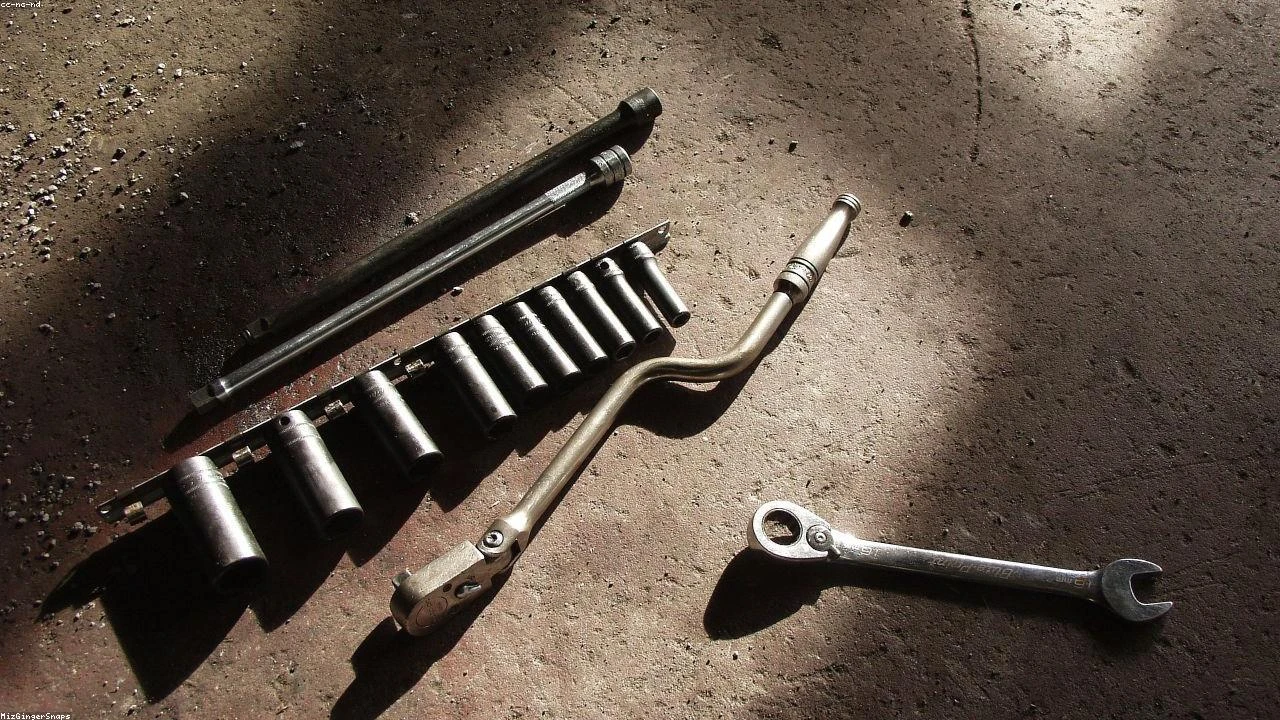
Table of Contents
- The Diagnostic / The Situation
- Technical Deep Dive
- Pre-Work Checklist
- Step-by-Step Guide
- Pro Tips & Common Mistakes
- Cost Analysis: DIY vs Mechanic
- Frequently Asked Questions
The Diagnostic / The Situation
The pursuit of speed and performance is a never-ending quest for automotive enthusiasts. Whether you’re a seasoned track driver or an aspiring racing professional, optimizing your vehicle’s performance is crucial to achieving success on the track. In this guide, we’ll delve into the world of track-focused performance optimization, exploring the technical background, symptoms, and signs to look for in your vehicle.
🔧 Related Guides:
When it comes to high-performance vehicles like the Porsche 911 GT3, every second counts. A well-prepared vehicle can make all the difference between a podium finish and a disappointing result. In this masterclass guide, we’ll focus on the key areas to optimize your track-focused vehicle, including suspension, aerodynamics, and engine performance.
Technical Deep Dive
A track-focused vehicle’s suspension system is designed to provide exceptional handling and stability at high speeds. The suspension system consists of several key components, including coilovers, sway bars, and bushings. Each of these components plays a critical role in maintaining optimal tire contact with the track surface, which is essential for achieving high cornering speeds and rapid lap times.
Common failure points in a track-focused vehicle’s suspension system include worn-out bushings, damaged coilovers, and loose or corroded sway bar links. These issues can lead to reduced handling performance, increased tire wear, and even catastrophic failure if left unchecked.
Pre-Work Checklist
At a Glance Table
| Task | Difficulty (1-5) | Time | Cost | DIY vs Shop |
|---|---|---|---|---|
| Suspension Inspection | 3 | 2 hours | $100 | DIY |
| Aerodynamic Upgrade | 4 | 5 hours | $2,000 | Shop |
| Engine Performance Tuning | 5 | 10 hours | $5,000 | Shop |
Tools Required
- 10mm Socket
- 17mm Socket
- Torque Wrench
- Coilover spanner
- Sway bar link socket
Safety Warnings
When working with high-performance vehicles, it’s essential to take necessary safety precautions to avoid injury or damage to the vehicle. Always wear protective gear, including gloves and safety glasses, when working under the vehicle or with power tools.
Step-by-Step Guide
Suspension Inspection and Maintenance
Step 1: Inspect the Coilovers
Check the coilovers for any signs of damage or wear, including leaks, dents, or corrosion. Ensure the coilovers are properly adjusted and tightened to the recommended torque specification.
Step 2: Check the Sway Bar Links
Inspect the sway bar links for any signs of wear or damage, including loose or corroded connections. Ensure the sway bar links are properly tightened to the recommended torque specification.
Step 3: Inspect the Bushings
Check the bushings for any signs of wear or damage, including cracks, tears, or excessive play. Ensure the bushings are properly lubricated and tightened to the recommended torque specification.
Aerodynamic Upgrade
Step 1: Choose the Right Aerodynamic Kit
Select an aerodynamic kit that is specifically designed for your vehicle and intended use. Consider factors such as downforce, drag, and weight distribution when making your selection.
Step 2: Install the Front Splitter
Install the front splitter according to the manufacturer’s instructions, ensuring proper alignment and secure fastening.
Step 3: Install the Rear Wing
Install the rear wing according to the manufacturer’s instructions, ensuring proper alignment and secure fastening.
Engine Performance Tuning
Step 1: Choose the Right Engine Management System
Select an engine management system that is specifically designed for your vehicle and intended use. Consider factors such as power output, torque, and fuel efficiency when making your selection.
Step 2: Install the Engine Management System
Install the engine management system according to the manufacturer’s instructions, ensuring proper connection and calibration.
Step 3: Tune the Engine
Tune the engine according to the manufacturer’s instructions, ensuring optimal power output, torque, and fuel efficiency.
Pro Tips & Common Mistakes
- Always follow the manufacturer’s instructions when installing or upgrading components.
- Ensure proper alignment and secure fastening of all components to avoid damage or failure.
- Don’t over-tighten or under-tighten components, as this can lead to damage or failure.
- Consider consulting a professional mechanic or engineer if you’re unsure about any aspect of the process.
Cost Analysis: DIY vs Mechanic
The cost of optimizing your track-focused vehicle can vary greatly depending on the specific components and services required. A DIY approach can save you money on labor costs, but may require significant time and effort. On the other hand, hiring a professional mechanic or engineer can provide peace of mind and ensure optimal results, but may come at a higher cost.
- DIY: $1,000 - $5,000
- Mechanic: $5,000 - $20,000
Frequently Asked Questions
- What is the most important aspect of track-focused performance optimization? The most important aspect of track-focused performance optimization is ensuring proper suspension setup and alignment, as this has a direct impact on handling and stability.
- How often should I inspect and maintain my vehicle’s suspension system? You should inspect and maintain your vehicle’s suspension system every 1,000 to 3,000 miles, depending on your driving habits and conditions.
- What is the best way to upgrade my vehicle’s aerodynamics? The best way to upgrade your vehicle’s aerodynamics is to choose a kit that is specifically designed for your vehicle and intended use, and to follow the manufacturer’s instructions for installation and calibration.
- How can I improve my vehicle’s engine performance? You can improve your vehicle’s engine performance by installing a high-performance engine management system, tuning the engine, and ensuring proper maintenance and upkeep.
- What are the most common mistakes to avoid when optimizing my track-focused vehicle? The most common mistakes to avoid when optimizing your track-focused vehicle include over-tightening or under-tightening components, failing to follow manufacturer’s instructions, and neglecting proper maintenance and upkeep.
Reference: Technical analysis by Luca Romano (Restoration Specialist) based on reports from Motor1 News.