The Ultimate Guide to Preventing Premature Turbo Failure in Your Jeep
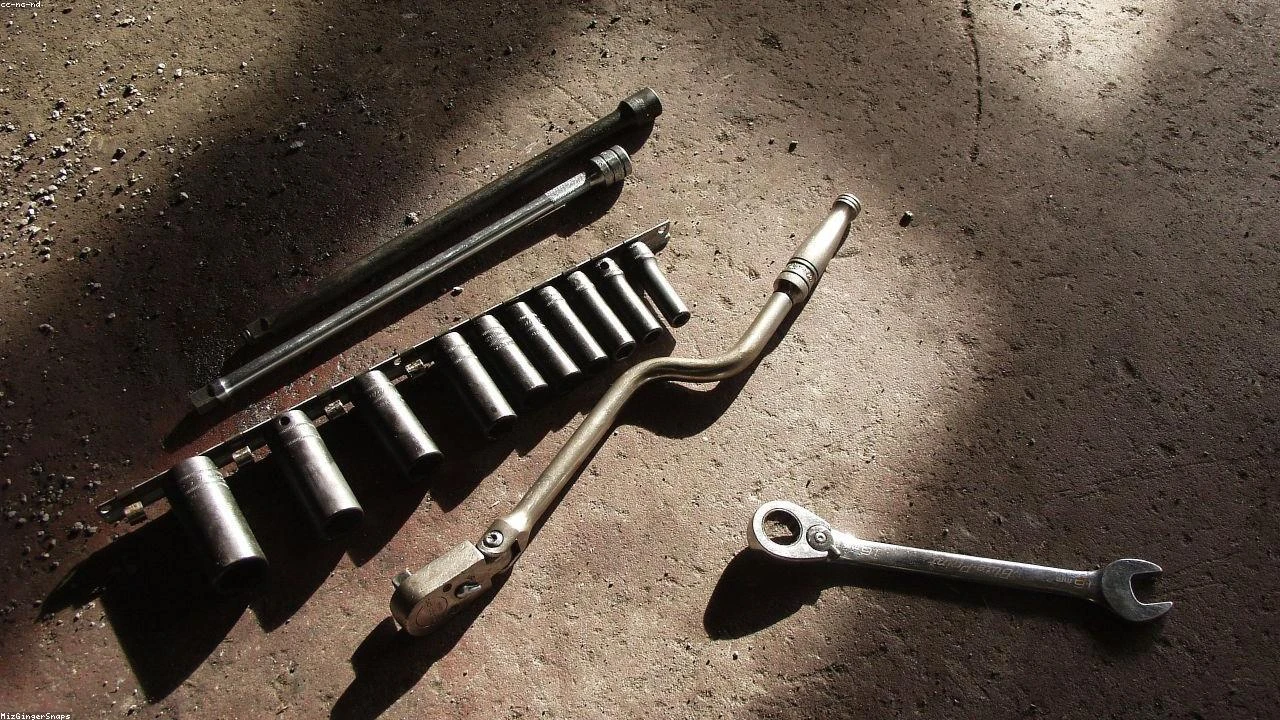
Table of Contents
- The Diagnostic / The Situation
- Technical Deep Dive
- Pre-Work Checklist
- Step-by-Step Guide
- Pro Tips & Common Mistakes
- Cost Analysis: DIY vs Mechanic
- Frequently Asked Questions
The Diagnostic / The Situation
Turbochargers are a crucial component in many modern engines, including those found in Jeep vehicles. They work by using the exhaust gases to drive a turbine, which in turn compresses the air entering the engine, resulting in a significant increase in power and efficiency. However, like any other engine component, turbochargers can fail prematurely due to various reasons. It’s essential to understand the symptoms and signs of a failing turbocharger to take corrective action before it’s too late.
🔧 Related Guides:
Some common symptoms of a failing turbocharger include:
- Loss of power and performance
- Decreased fuel efficiency
- Blue smoke coming out of the exhaust
- Loud whining or grinding noises
- Check Engine Light (CEL) illuminating on the dashboard
Technical Deep Dive
To understand how a turbocharger works and why it may fail prematurely, let’s dive deeper into its components and operation. A typical turbocharger consists of a turbine, compressor, and bearing housing. The turbine is driven by the exhaust gases, which spin the compressor wheel, compressing the air entering the engine. The bearing housing supports the turbine and compressor shafts, allowing them to rotate smoothly.
Common failure points in a turbocharger include:
- The turbine wheel and shaft: These components can fail due to excessive heat, foreign object damage, or imbalance.
- The compressor wheel and shaft: Similar to the turbine wheel, the compressor wheel can fail due to heat, damage, or imbalance.
- The bearing housing and bearings: The bearings can wear out over time, causing the turbine and compressor shafts to vibrate excessively, leading to premature failure.
- The oil seals and lines: Leaks in the oil seals or lines can cause the turbocharger to fail due to lack of lubrication.
Pre-Work Checklist
Before attempting to diagnose or repair a turbocharger issue, it’s essential to consult the following checklist:
| Task | Difficulty | Time | Cost | DIY vs Shop |
|---|---|---|---|---|
| Inspect turbocharger | 2 | 1 hour | $0 | DIY |
| Replace turbocharger | 5 | 5 hours | $1,500 | Shop |
| Replace oil seals and lines | 3 | 2 hours | $200 | DIY |
Tools Required
- 10mm socket
- 12mm socket
- Torque wrench
- Pliers
- Oil drain pan
- New oil seals and lines (if required)
Safety Warnings
- Always wear protective gloves and safety glasses when working with engines and turbochargers.
- Ensure the engine is cool before starting work to avoid burns and injuries.
- Never touch the turbocharger or its components with your bare hands, as the oils from your skin can cause damage.
Step-by-Step Guide
Inspecting the Turbocharger
Step 1: Locate the Turbocharger
The turbocharger is usually located near the exhaust manifold, connected to the downpipe. Consult your Jeep’s repair manual for specific location and orientation.
Step 2: Inspect the Oil Seals and Lines
Check the oil seals and lines for any signs of leaks or damage. Look for oil droplets or stains on the surrounding components.
Step 3: Check the Turbocharger Housing
Inspect the turbocharger housing for any signs of damage, such as cracks or dents. Check the bearing housing for any excessive play or vibration.
Replacing the Turbocharger
Step 1: Disconnect the Battery
Disconnect the battery to prevent any accidental engine starts.
Step 2: Remove the Downpipe
Remove the downpipe to access the turbocharger. Use a 10mm socket to loosen the bolts.
Step 3: Remove the Turbocharger
Carefully lift the turbocharger out of its mounting bracket. Be cautious not to touch the turbine or compressor wheels.
Step 4: Install the New Turbocharger
Install the new turbocharger, ensuring it’s properly seated and secured. Tighten the bolts in a star pattern to avoid damaging the turbocharger housing.
Replacing the Oil Seals and Lines
Step 1: Disconnect the Oil Lines
Disconnect the oil lines from the turbocharger. Use pliers to loosen the fittings.
Step 2: Remove the Old Oil Seals
Remove the old oil seals from the turbocharger. Use a seal puller to avoid damaging the bearing housing.
Step 3: Install the New Oil Seals
Install the new oil seals, ensuring they’re properly seated and secured.
Pro Tips & Common Mistakes
- Always use a torque wrench to tighten the turbocharger bolts to avoid over-tightening.
- Never use a turbocharger that’s been previously used or rebuilt, as it may have internal damage.
- Always consult the repair manual for specific instructions and precautions when working with turbochargers.
Cost Analysis: DIY vs Mechanic
The cost of replacing a turbocharger can vary depending on the labor costs and the cost of the new turbocharger. On average, a DIY replacement can cost between $1,000 to $1,500, while a mechanic may charge between $2,000 to $3,000.
Frequently Asked Questions
- Q: What are the most common causes of turbocharger failure? A: The most common causes of turbocharger failure include excessive heat, foreign object damage, imbalance, and lack of lubrication.
- Q: Can I replace the turbocharger myself? A: Yes, replacing the turbocharger can be done yourself, but it requires specialized tools and knowledge. It’s recommended to consult a professional mechanic if you’re not experienced with engine repairs.
- Q: How often should I inspect my turbocharger? A: It’s recommended to inspect your turbocharger every 10,000 to 15,000 miles, or as specified in your Jeep’s maintenance schedule.
- Q: Can I use a used or rebuilt turbocharger? A: No, it’s not recommended to use a used or rebuilt turbocharger, as it may have internal damage or wear that can cause premature failure.
- Q: What are the symptoms of a failing turbocharger? A: The symptoms of a failing turbocharger include loss of power and performance, decreased fuel efficiency, blue smoke coming out of the exhaust, loud whining or grinding noises, and the Check Engine Light (CEL) illuminating on the dashboard.
Reference: Technical analysis by Marcus Reynolds (Suspension Engineer) based on reports from Jalopnik.