The Ultimate Guide to Understanding and Taming the 'Widowmaker': A Masterclass on High-Performance Turbo Systems
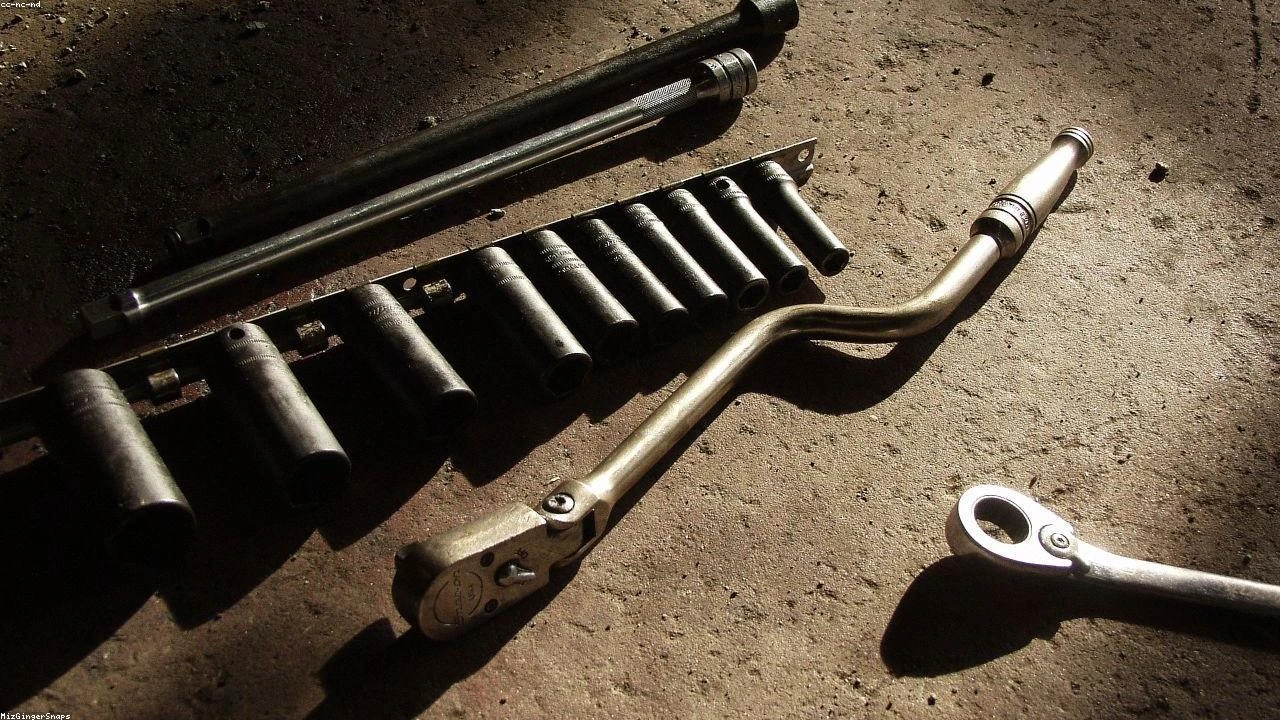
Table of Contents
- Technical Deep Dive
- Pre-Work Checklist
- Step-by-Step Guide
- Pro Tips & Common Mistakes
- Cost Analysis: DIY vs Mechanic
- Frequently Asked Questions
The Diagnostic / The Situation
The Porsche 930, famously known as the ‘Widowmaker’, earned its nickname due to its powerful turbocharged engine and rear-engine layout, which could be unforgiving to inexperienced drivers. This guide delves into the world of high-performance turbo systems, focusing on understanding, maintaining, and mastering these powerful engines.
Symptoms or signs to look for in a turbo system include:
- Lack of power
- Increased fuel consumption
- Whining or grinding noises
- Oil leaks
🔧 Related Guides:
Technical Deep Dive
High-performance turbo systems like the one in the Porsche 930 work by using the exhaust gases to drive a turbine, which in turn drives a compressor. This compressor forces more air into the engine’s cylinders, significantly increasing power output. Common failure points in turbo systems include:
- The turbocharger itself, particularly the bearings and seals
- The wastegate, which controls boost pressure
- The intercooler, which cools the compressed air before it enters the engine
Pre-Work Checklist
At a Glance Table
| Difficulty | Time | Cost | DIY vs Shop |
|---|---|---|---|
| 4/5 | 10-20 hours | $1,000-$3,000 | Advanced DIY or Professional |
Tools Required
- 10mm, 12mm, and 14mm sockets
- Torque wrench
- Pliers and punches for hose and line removal
- Compressor and air tools for turbocharger removal
Safety Warnings
- Always work in a well-ventilated area, away from open flames or sparks
- Wear protective gear, including gloves, safety glasses, and a face mask
- Ensure the vehicle is securely supported on jack stands before starting work underneath
Step-by-Step Guide
Step 1: Preparation and Planning
Step 1.1: Gather Information and Tools
Before starting, gather all necessary tools, manuals, and information about your specific vehicle’s turbo system.
Step 1.2: Prepare the Workspace
Clear a large, well-ventilated area to work on the vehicle. Ensure the surface is level and the vehicle is securely supported.
Step 2: Removal of the Turbocharger
Step 2.1: Disconnect the Battery
To prevent any accidental starts, disconnect the negative terminal of the battery.
Step 2.2: Remove the Intake Ducting
Take out the intake ducting to access the turbocharger. This may involve removing screws, clamps, or hoses.
Step 2.3: Disconnect Turbocharger Hoses and Lines
Carefully disconnect all hoses and lines connected to the turbocharger, including oil supply and return lines, and the exhaust downpipe.
Step 2.4: Remove the Turbocharger Mounting Bolts
Use a socket to remove the bolts holding the turbocharger in place. Be prepared for the turbocharger to be heavy.
Step 3: Inspection and Maintenance
Step 3.1: Inspect the Turbocharger
Once removed, inspect the turbocharger for any signs of damage or wear, including dents, cracks, or excessive play in the bearings.
Step 3.2: Clean the Turbocharger
Use a soft brush and mild soap to clean the turbocharger, paying special attention to the compressor and turbine wheels.
Step 3.3: Replace the Turbocharger Seals
If necessary, replace the turbocharger seals to prevent oil leaks and ensure proper operation.
Step 4: Reinstallation
Step 4.1: Reinstall the Turbocharger
Mount the turbocharger back in its original position, ensuring all bolts are securely tightened to the specified torque (typically around 30-40 Nm).
Step 4.2: Reconnect Hoses and Lines
Reconnect all hoses and lines, ensuring they are securely attached with no signs of damage or leaks.
Step 4.3: Replace the Intake Ducting
Put back the intake ducting, ensuring all connections are secure and not damaged.
Pro Tips & Common Mistakes
- Don’t overtighten the turbocharger bolts, as this can damage the engine block or turbocharger housing.
- Do ensure all connections are secure and not leaking to prevent performance issues and potential engine damage.
- A common mistake is not properly aligning the turbocharger during reinstallation, which can lead to vibration and premature wear.
Cost Analysis: DIY vs Mechanic
The cost of maintaining or replacing a high-performance turbo system can vary widely, from $1,000 for DIY replacement of seals and basic maintenance to $3,000 or more for professional replacement of the entire turbocharger. Labor costs can add significantly to the total, with mechanic rates ranging from $75 to $200 per hour, depending on location and expertise.
Frequently Asked Questions
Q: What are the symptoms of a failing turbocharger?
- A: Symptoms include lack of power, increased fuel consumption, whining or grinding noises, and oil leaks.
Q: Can I replace the turbocharger myself?
- A: Yes, but it requires advanced mechanical knowledge and specialized tools. It’s recommended for experienced DIYers or professionals.
Q: How often should I service my turbocharger?
- A: Regular servicing, such as cleaning and inspecting the turbocharger every 30,000 to 50,000 miles, can help extend its lifespan.
Q: What are the benefits of upgrading my turbocharger?
- A: Upgrading can increase power output, improve engine efficiency, and enhance overall performance.
Q: Are there any specific safety precautions I should take when working with turbochargers?
- A: Yes, always work in a well-ventilated area, wear protective gear, and ensure the vehicle is securely supported to avoid accidents.
Reference: Technical analysis by Ben Foster (Trail Recovery Instructor) based on reports from Jalopnik.