The Ultimate Guide to Windshield Wiper Maintenance and Repair for Jeep Owners
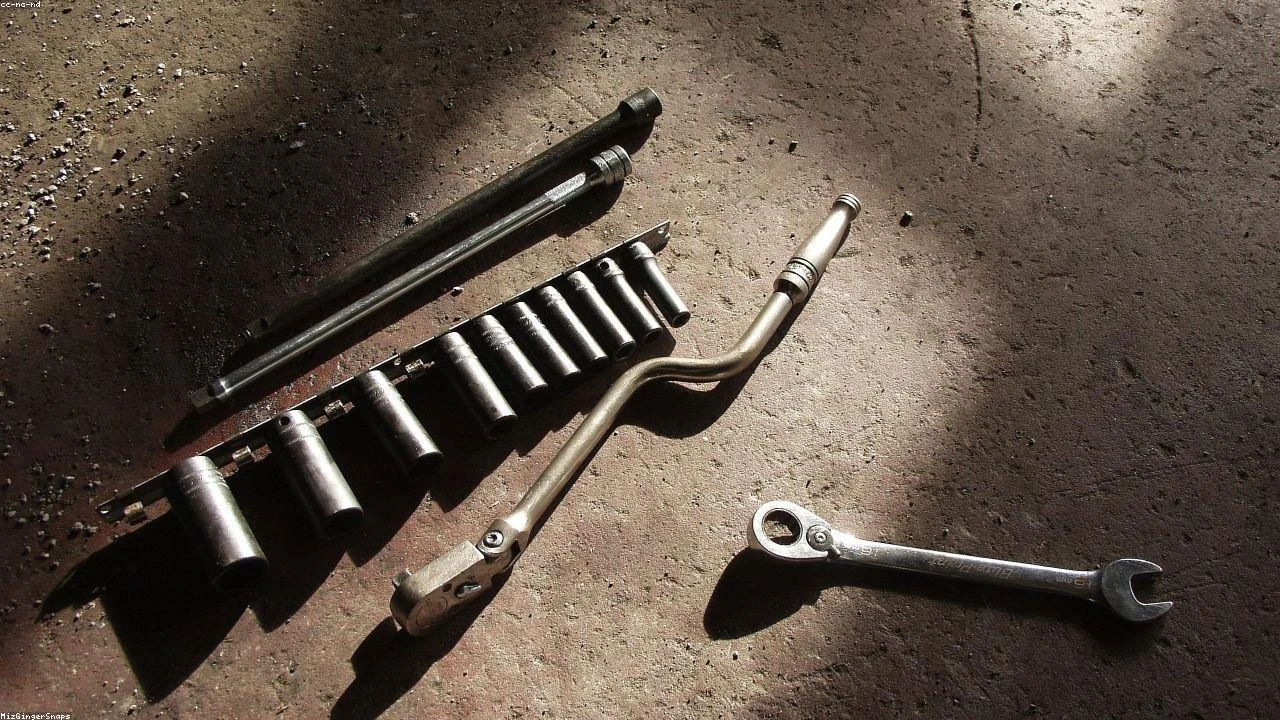
Table of Contents
- The Diagnostic / The Situation
- Technical Deep Dive
- Pre-Work Checklist
- Step-by-Step Guide
- Pro Tips & Common Mistakes
- Cost Analysis: DIY vs Mechanic
- Frequently Asked Questions
The Diagnostic / The Situation
Windshield wipers are a crucial component of any vehicle, including Jeeps. They play a vital role in maintaining clear visibility during rain, snow, or other adverse weather conditions. However, faulty or worn-out windshield wipers can pose a significant safety risk, especially when driving at high speeds. In this guide, we will delve into the world of windshield wiper maintenance and repair, focusing on Jeep models.
🔧 Related Guides:
Symptoms of faulty windshield wipers may include:
- Wipers not turning on or off
- Wipers moving erratically or skipping
- Wipers leaving streaks or marks on the windshield
- Wipers detaching from the vehicle
Technical Deep Dive
The windshield wiper system in Jeeps consists of several key components:
- Wiper motor: responsible for powering the wipers
- Wiper arms: connected to the motor and responsible for moving the wiper blades
- Wiper blades: made of rubber or other materials, these blades come into contact with the windshield
- Wiper transmission: links the motor to the wiper arms
Common failure points in the windshield wiper system include:
- The plastic or metal components of the wiper arms or transmission
- The electrical connections between the wiper motor and the vehicle’s electrical system
- The wiper blades themselves, which can become worn or damaged over time
Pre-Work Checklist
At a Glance Table
| Task | Difficulty | Time | Cost | DIY vs Shop |
|---|---|---|---|---|
| Inspect wiper blades | 1 | 10 minutes | $0 | DIY |
| Replace wiper blades | 2 | 30 minutes | $20-$50 | DIY |
| Repair or replace wiper motor | 4 | 2-3 hours | $100-$300 | Shop |
| Replace wiper transmission | 5 | 4-5 hours | $200-$500 | Shop |
Tools Required
- 10mm socket
- Torque wrench
- Pliers
- Screwdrivers (flathead and Phillips)
- Wiper blade replacement kit (if applicable)
Safety Warnings
- Always turn off the engine and engage the parking brake before starting work on the windshield wiper system
- Avoid touching electrical components with bare hands or metal tools
- Wear protective gloves and eyewear when working with power tools or handling sharp objects
Step-by-Step Guide
Inspecting the Wiper Blades
Checking for Wear and Damage
- Turn off the engine and engage the parking brake.
- Locate the wiper blades and inspect them for signs of wear or damage.
- Check the blades for cracks, tears, or excessive wear.
- If the blades are damaged, proceed to the replacement section.
Checking the Wiper Arms and Transmission
- Inspect the wiper arms and transmission for signs of damage or wear.
- Check for loose or corroded connections.
- If the wiper arms or transmission are damaged, proceed to the repair or replacement section.
Replacing the Wiper Blades
Removing the Old Blades
- Locate the wiper arm nut and loosen it using a 10mm socket.
- Pull the wiper arm away from the windshield.
- Remove the old wiper blade from the wiper arm.
Installing the New Blades
- Take the new wiper blade and insert it into the wiper arm.
- Make sure the blade is properly seated and aligned.
- Tighten the wiper arm nut using a 10mm socket.
Repairing or Replacing the Wiper Motor
Removing the Old Motor
- Locate the wiper motor and disconnect the electrical connections.
- Remove the mounting screws or clips holding the motor in place.
- Carefully pull the motor away from the vehicle.
Installing the New Motor
- Take the new wiper motor and connect the electrical connections.
- Mount the motor in place using the mounting screws or clips.
- Tighten the screws or clips securely.
Replacing the Wiper Transmission
Removing the Old Transmission
- Locate the wiper transmission and disconnect the electrical connections.
- Remove the mounting screws or clips holding the transmission in place.
- Carefully pull the transmission away from the vehicle.
Installing the New Transmission
- Take the new wiper transmission and connect the electrical connections.
- Mount the transmission in place using the mounting screws or clips.
- Tighten the screws or clips securely.
Pro Tips & Common Mistakes
- Always use the correct type and size of wiper blades for your Jeep model.
- Avoid using low-quality or generic wiper blades, as they may not provide optimal performance.
- When replacing the wiper motor or transmission, make sure to follow the manufacturer’s instructions and torque specifications.
- Don’t overtighten the wiper arm nut, as this can damage the wiper arm or transmission.
Cost Analysis: DIY vs Mechanic
The cost of maintaining and repairing the windshield wiper system can vary depending on the specific task and the individual’s level of expertise. Here is a breakdown of the estimated costs:
- Inspecting and replacing wiper blades: $0-$50 (DIY), $50-$100 (mechanic)
- Repairing or replacing the wiper motor: $100-$300 (DIY), $200-$500 (mechanic)
- Replacing the wiper transmission: $200-$500 (DIY), $300-$600 (mechanic)
Frequently Asked Questions
- Q: How often should I replace my windshield wiper blades? A: It is recommended to replace your windshield wiper blades every 6-12 months or when they show signs of wear or damage.
- Q: Can I use any type of wiper blade on my Jeep? A: No, it is recommended to use the correct type and size of wiper blade specifically designed for your Jeep model.
- Q: How do I know if my wiper motor is faulty? A: If your wiper motor is faulty, you may notice symptoms such as the wipers not turning on or off, or the wipers moving erratically.
- Q: Can I repair my wiper transmission myself? A: It is not recommended to attempt to repair the wiper transmission yourself, as it requires specialized tools and expertise.
- Q: How much does it cost to replace the wiper motor or transmission? A: The cost of replacing the wiper motor or transmission can vary depending on the specific task and the individual’s level of expertise, but it can range from $100 to $600 or more.
Reference: Technical analysis by Luca Romano (Restoration Specialist) based on reports from Motor1 News.