The Ultimate Guide to Winterizing Your Jeep's Engine: Masterclass on Motor Oil and Cold Weather
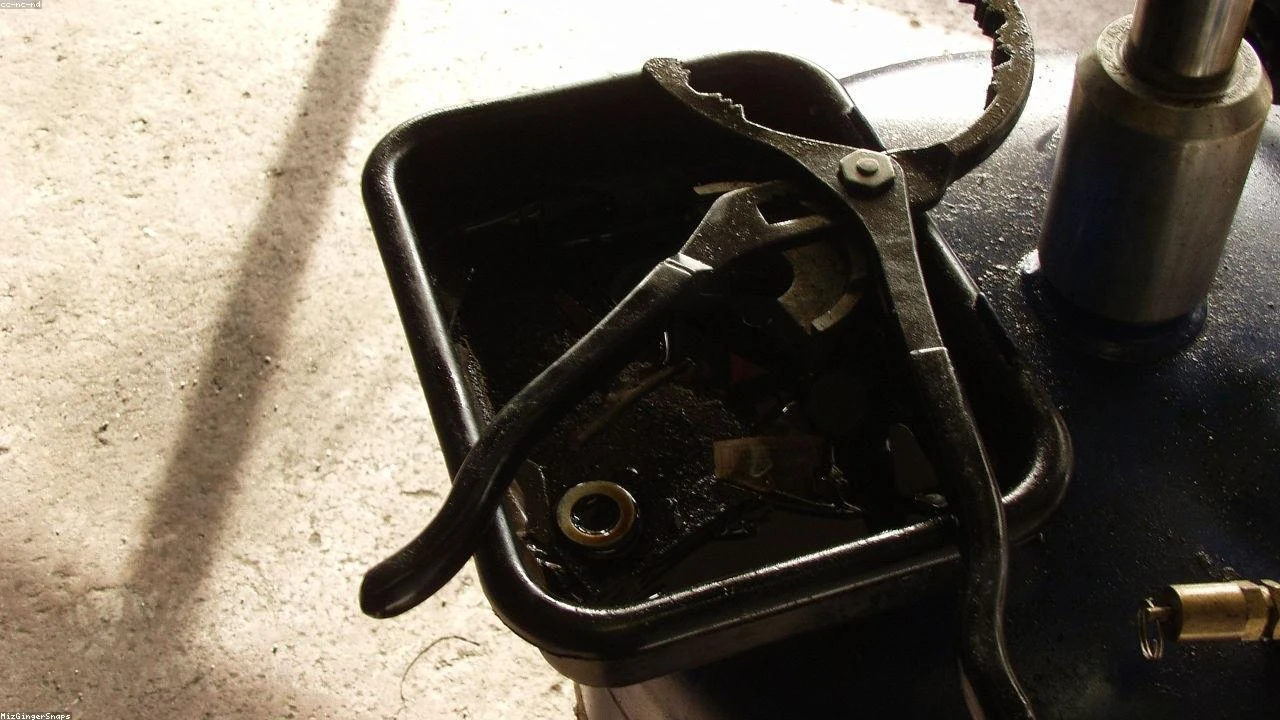
Table of Contents
- The Diagnostic / The Situation
- Technical Deep Dive
- Pre-Work Checklist
- Step-by-Step Guide
- Pro Tips & Common Mistakes
- Cost Analysis: DIY vs Mechanic
- Frequently Asked Questions
The Diagnostic / The Situation
When it comes to cold weather, many Jeep owners assume that as long as their engine oil doesn’t freeze, they’re in the clear. However, this couldn’t be further from the truth. While modern engine oils are designed to withstand extremely low temperatures, the cold weather can still cause a range of problems that can affect your Jeep’s performance, fuel efficiency, and overall reliability.
Symptoms of cold weather-related issues can include decreased engine performance, rough idling, and increased fuel consumption. In extreme cases, cold weather can even cause engine damage, such as cracked engine blocks or blown head gaskets.
🔧 Related Guides:
Technical Deep Dive
To understand how cold weather affects your Jeep’s engine, it’s essential to delve into the basics of engine oil and its role in lubricating your engine. Engine oil is designed to reduce friction between moving parts, clean the engine, and cool the engine by transferring heat to the oil pan.
In cold weather, engine oil becomes thicker and more viscous, making it more difficult to circulate through the engine. This can lead to decreased engine performance, increased fuel consumption, and even engine damage. Additionally, cold weather can cause the engine’s metal components to contract, which can lead to increased wear and tear on the engine.
Common failure points in cold weather include the engine’s oil pump, which can become overworked due to the increased viscosity of the oil, and the engine’s seals and gaskets, which can become brittle and prone to cracking.
Pre-Work Checklist
At a Glance Table
| Task | Difficulty | Time | Cost | DIY vs Shop |
|---|---|---|---|---|
| Winterize engine oil | 2/5 | 1 hour | $50-$100 | DIY |
| Inspect and replace engine belts | 3/5 | 2 hours | $100-$200 | DIY/Shop |
| Check and top off coolant | 1/5 | 30 minutes | $20-$50 | DIY |
Tools Required
- Socket set
- Torque wrench
- Oil filter wrench
- Funnel
- New oil filter
- Winterized engine oil
Safety Warnings
- Always refer to your Jeep’s owner’s manual for specific instructions on winterizing your engine.
- Wear protective gloves and eyewear when working with engine oil and other chemicals.
- Make sure the engine is cool before starting work to avoid burns and other injuries.
Step-by-Step Guide
Step 1: Check and Top Off Coolant
Step 1.1: Locate the Coolant Reservoir
Check your Jeep’s owner’s manual to locate the coolant reservoir. It’s usually a transparent plastic tank with a cap on top.
Step 1.2: Check the Coolant Level
Remove the cap and check the coolant level. The level should be between the minimum and maximum marks on the side of the reservoir.
Step 1.3: Top Off the Coolant (if necessary)
If the level is low, add a 50/50 mix of coolant and water to the reservoir. Make sure to use the correct type of coolant for your Jeep.
Step 2: Inspect and Replace Engine Belts
Step 2.1: Locate the Engine Belts
Check your Jeep’s owner’s manual to locate the engine belts. They’re usually located at the front of the engine.
Step 2.2: Inspect the Belts for Cracks and Wear
Visually inspect the belts for cracks, frays, and wear. If you notice any damage, replace the belt immediately.
Step 2.3: Replace the Belt (if necessary)
If you need to replace the belt, purchase a new one from a reputable supplier and follow the manufacturer’s instructions for installation.
Step 3: Winterize Engine Oil
Step 3.1: Choose the Right Oil
Select a winterized engine oil that’s designed for your Jeep’s engine. Look for oil with a low viscosity rating (e.g., 0W-20 or 5W-20).
Step 3.2: Drain the Old Oil
Locate the oil drain plug at the bottom of the engine and use a socket wrench to remove it. Let the old oil drain into a pan.
Step 3.3: Install a New Oil Filter
Remove the old oil filter and discard it. Install a new oil filter and hand tighten it.
Step 3.4: Refill with Winterized Oil
Pour in the new winterized oil through the oil filler cap. Make sure to use the correct amount and type of oil for your Jeep.
Pro Tips & Common Mistakes
- Don’t over-tighten the oil filter, as this can damage the threads.
- Use a torque wrench to tighten the oil drain plug to the specified torque (usually around 30-40 ft-lbs).
- Don’t neglect to check the coolant level, as this can lead to engine damage and overheating.
Cost Analysis: DIY vs Mechanic
The cost of winterizing your Jeep’s engine can vary depending on the materials and labor involved. Here’s a rough breakdown of the costs:
- DIY: $50-$100 (materials only)
- Mechanic: $200-$500 (labor and materials)
While the DIY approach may seem more cost-effective, it’s essential to consider the value of your time and the potential risks involved. If you’re not comfortable with the process, it’s recommended to consult a professional mechanic.
Frequently Asked Questions
- Q: What type of engine oil should I use in cold weather? A: Use a winterized engine oil with a low viscosity rating (e.g., 0W-20 or 5W-20).
- Q: How often should I check my coolant level? A: Check your coolant level every time you fill up with gas or every 5,000 miles.
- Q: Can I use regular engine oil in cold weather? A: No, regular engine oil can become too thick in cold weather, leading to decreased engine performance and increased fuel consumption.
- Q: How do I know if my engine belts need to be replaced? A: Inspect your engine belts regularly for cracks, frays, and wear. If you notice any damage, replace the belt immediately.
- Q: Can I winterize my engine oil myself? A: Yes, you can winterize your engine oil yourself, but make sure to follow the manufacturer’s instructions and take necessary safety precautions.
Reference: Technical analysis by Dave Harsya (Certified 4x4 Mechanic) based on reports from Jalopnik.