The Ultimate Oil Change Guide: Why You Shouldn't Change Your Oil Filter Without Changing Your Oil
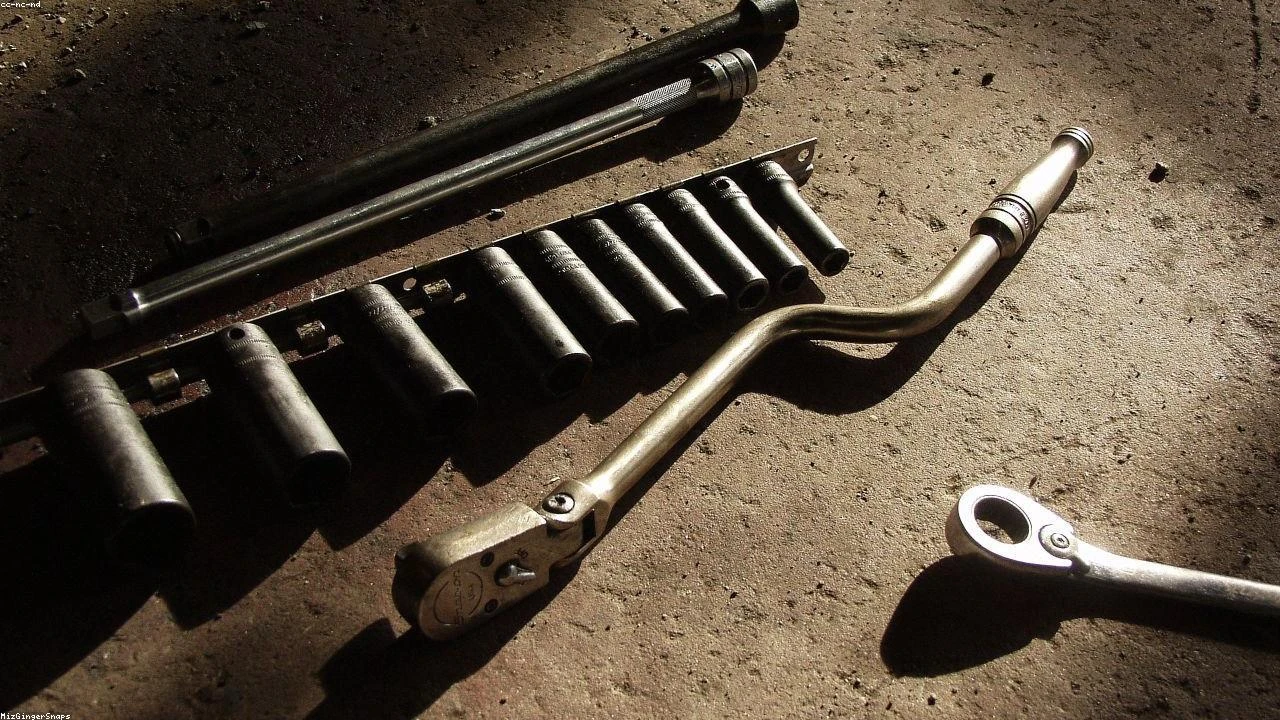
Table of Contents
- The Diagnostic / The Situation
- Technical Deep Dive
- Pre-Work Checklist
- Step-by-Step Guide
- Pro Tips & Common Mistakes
- Cost Analysis: DIY vs Mechanic
- Frequently Asked Questions
The Diagnostic / The Situation
Changing your oil filter without changing your oil may seem like a convenient shortcut, but it can have serious consequences for your Jeep’s engine. The oil filter is designed to capture contaminants and debris that can damage your engine, and over time, it becomes saturated with these impurities. If you only change the filter, you’re putting a clean filter into a system that still contains dirty oil. This can lead to premature wear on your engine, decreased fuel efficiency, and potentially even engine failure.
🔧 Related Guides:
Symptoms or signs to look for that may indicate you need to change your oil and filter include:
- Decreased engine performance
- Increased engine noise
- Oil leaks
- Check engine light illumination
Technical Deep Dive
The oil change process involves draining the old oil from the engine, replacing the oil filter, and refilling the engine with new oil. The oil filter is a critical component of this process, as it helps to remove contaminants and debris from the oil. The engine oil, on the other hand, serves as a lubricant, coolant, and cleaner for the engine. It helps to reduce friction between moving parts, dissipate heat, and prevent corrosion.
Common failure points in the oil change process include:
- The oil filter gasket, which can become damaged or worn out over time
- The oil drain plug, which can strip or become cross-threaded
- The oil pump, which can fail if the oil becomes too dirty or degraded
Pre-Work Checklist
| Task | Difficulty | Time | Cost | DIY vs Shop |
|---|---|---|---|---|
| Oil change and filter replacement | 3/5 | 1-2 hours | $50-$100 | DIY |
| Oil filter replacement only | 2/5 | 30 minutes | $10-$20 | DIY |
Tools Required
- Socket wrench or ratchet and socket
- Oil drain pan
- New oil filter
- Oil filler cap
- Funnel
- New oil (the correct type and amount for your Jeep)
Safety Warnings
- Always refer to your Jeep’s owner’s manual for specific instructions and guidelines for changing your oil and filter.
- Make sure the engine is warm before draining the oil, as this will help it drain more easily.
- Never get under a vehicle that is supported only by a jack.
- Wear protective gloves and eyewear when working with oil and filters.
Step-by-Step Guide
Step 1: Prepare the Vehicle
Step 1.1: Warm up the engine
Drive your Jeep for a few minutes to warm up the engine. This will help the oil drain more easily.
Step 1.2: Find a level surface
Park your Jeep on a level surface and apply the parking brake.
Step 1.3: Locate the oil drain plug
Check your owner’s manual to find the location of the oil drain plug on your Jeep.
Step 2: Drain the Oil
Step 2.1: Jack up the vehicle
Use a jack to lift the front of the vehicle until the oil pan is accessible.
Step 2.2: Remove the oil drain plug
Use a socket wrench or ratchet and socket to remove the oil drain plug.
Step 2.3: Drain the oil into a pan
Let the oil drain into a pan for at least 10 minutes to ensure most of the oil is drained.
Step 3: Replace the Oil Filter
Step 3.1: Locate the oil filter
Check your owner’s manual to find the location of the oil filter on your Jeep.
Step 3.2: Remove the oil filter
Use a filter wrench to loosen and remove the oil filter.
Step 3.3: Install a new oil filter
Place a new oil filter on the engine and hand tighten it.
Step 4: Refill the Oil
Step 4.1: Check the owner’s manual
Check your owner’s manual to find the correct type and amount of oil to use in your Jeep.
Step 4.2: Add new oil
Use a funnel to pour in the new oil.
Step 4.3: Replace the oil filler cap
Put the oil filler cap back on and start the engine.
Pro Tips & Common Mistakes
- Always use the correct type and amount of oil for your Jeep, as specified in the owner’s manual.
- Don’t over-tighten the oil filter, as this can damage the threads.
- Make sure to check the oil level after refilling to ensure it’s at the recommended level.
- Don’t forget to dispose of the used oil and filter responsibly.
Cost Analysis: DIY vs Mechanic
The cost of changing your oil and filter yourself can range from $50 to $100, depending on the type and amount of oil you need. If you take your Jeep to a mechanic, the cost can range from $100 to $200, depending on the labor rate and the type of oil used.
Frequently Asked Questions
- Q: How often should I change my oil and filter? A: The frequency of oil changes depends on the type of vehicle, driving conditions, and manufacturer’s recommendations. Typically, it’s recommended to change your oil every 5,000 to 7,500 miles.
- Q: Can I use any type of oil in my Jeep? A: No, you should only use the type of oil recommended by the manufacturer, as specified in the owner’s manual.
- Q: How do I dispose of used oil and filters? A: You should take used oil and filters to a recycling center or an auto parts store that accepts used oil and filters.
- Q: Can I change my oil and filter myself? A: Yes, changing your oil and filter is a relatively simple process that you can do yourself with the right tools and knowledge.
- Q: What happens if I don’t change my oil and filter regularly? A: If you don’t change your oil and filter regularly, it can lead to premature wear on your engine, decreased fuel efficiency, and potentially even engine failure.
Reference: Technical analysis by Sarah Jenkins (Overland Build Expert) based on reports from Jalopnik.