The Ultimate Water Crossing Guide for Jeep Owners: Safety, Preparation, and Vehicle Modifications
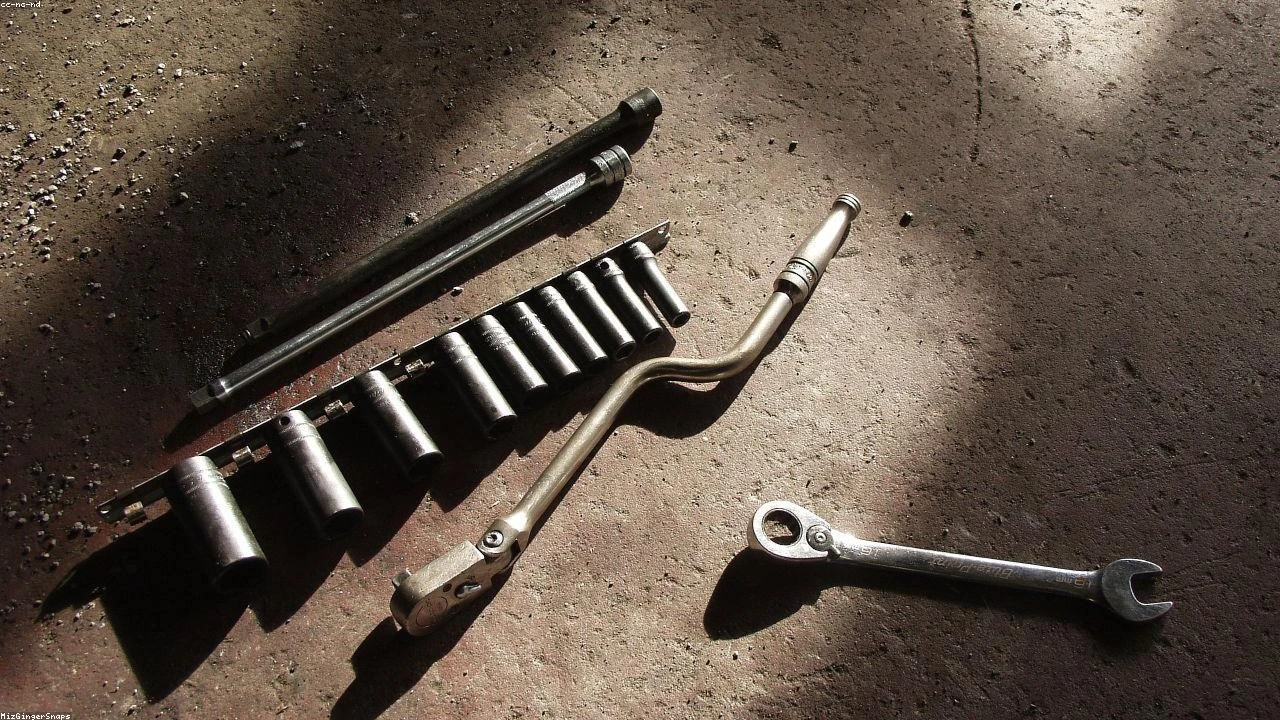
Table of Contents
- The Diagnostic / The Situation
- Technical Deep Dive
- Pre-Work Checklist
- Step-by-Step Guide
- Pro Tips & Common Mistakes
- Cost Analysis: DIY vs Mechanic
- Frequently Asked Questions
The Diagnostic / The Situation
Water crossings can be a thrilling and intimidating aspect of off-roading. Knowing how to prepare your Jeep and navigate these situations safely is crucial. The recent comparison between the Kia Telluride, Bronco, and Defender highlights the importance of wading depth in off-road vehicles. As a Jeep owner, understanding your vehicle’s capabilities and limitations in water crossings is essential for a safe and enjoyable off-road experience.
🔧 Related Guides:
Symptoms or signs to look for when approaching a water crossing include the depth of the water, the speed of the current, and any obstacles or hazards present. It’s also important to consider the weather and any potential changes in water levels.
Technical Deep Dive
The wading depth of a vehicle is determined by several factors, including the air intake location, electrical system components, and the sealing of the vehicle’s body and engine compartment. In Jeeps, the air intake is typically located near the hood, which can be a vulnerable point in water crossings. The electrical system, including the battery, alternator, and wiring, must also be protected from water ingress.
Common failure points in water crossings include the air intake, electrical system components, and the seals around the doors, hood, and trunk. The plastic intake manifold and the wiring harness are particularly susceptible to water damage.
Pre-Work Checklist
At a Glance Table
| Difficulty | Time | Cost | DIY vs Shop |
|---|---|---|---|
| 4/5 | 2-3 hours | $500-$1000 | DIY (with experience) |
Tools Required
- 10mm socket
- Torque wrench
- Waterproof sealant
- Electrical tape
- Wire loom
Safety Warnings
When working with electrical systems, it’s essential to disconnect the battery and ensure all components are dry before reconnection. When crossing water, always wear a seatbelt and ensure all passengers are secure.
Step-by-Step Guide
Preparation and Planning
The key to a successful water crossing is preparation and planning. Before attempting a water crossing, research the area and gather information about the water depth, current, and any potential hazards.
Assessing the Water Depth
Use a probe or stick to measure the water depth and look for any obstacles or hazards. Consider the weather and any potential changes in water levels.
Inspecting the Vehicle
Inspect the vehicle’s air intake, electrical system, and seals to ensure they are in good condition and free from damage.
Vehicle Modifications
To increase the wading depth of your Jeep, consider the following modifications:
Air Intake Upgrade
Upgrade the air intake to a snorkel or high-mounted intake to reduce the risk of water ingress.
Electrical System Upgrades
Upgrade the electrical system components, including the battery, alternator, and wiring, to ensure they are waterproof and protected from corrosion.
Seal Upgrades
Upgrade the seals around the doors, hood, and trunk to ensure they are watertight and protected from water ingress.
Skid Plate Installation
Install skid plates to protect the underside of the vehicle from damage and ensure the oil pan and other critical components are protected.
Pro Tips & Common Mistakes
- Don’t attempt a water crossing without proper preparation and planning.
- Always wear a seatbelt and ensure all passengers are secure.
- Use a spotter to guide you through the crossing and provide assistance if needed.
- Don’t drive too quickly, as this can create a bow wave and increase the risk of water ingress.
- Consider installing a winch or tow strap to provide a means of recovery if needed.
Cost Analysis: DIY vs Mechanic
The cost of preparing your Jeep for water crossings can vary depending on the modifications and upgrades chosen. A DIY approach can save money, but it’s essential to consider the cost of tools, materials, and potential repairs if something goes wrong. A mechanic or off-road specialist can provide expert advice and installation, but this will come at a higher cost.
Frequently Asked Questions
- What is the maximum wading depth for my Jeep? The maximum wading depth for your Jeep will depend on the model and any modifications or upgrades. Consult the owner’s manual or contact a Jeep specialist for more information.
- How can I increase the wading depth of my Jeep? Consider upgrading the air intake, electrical system components, and seals to increase the wading depth of your Jeep.
- What are the risks of water crossings? The risks of water crossings include water ingress, electrical system damage, and damage to the underside of the vehicle.
- How can I prepare my Jeep for water crossings? Prepare your Jeep by researching the area, inspecting the vehicle, and making any necessary modifications or upgrades.
- What should I do if I become stranded during a water crossing? If you become stranded during a water crossing, stay calm and call for assistance. Use a winch or tow strap to recover the vehicle, and consider seeking professional help if needed.
Reference: Technical analysis by Sarah Jenkins (Overland Build Expert) based on reports from Motor1 News.